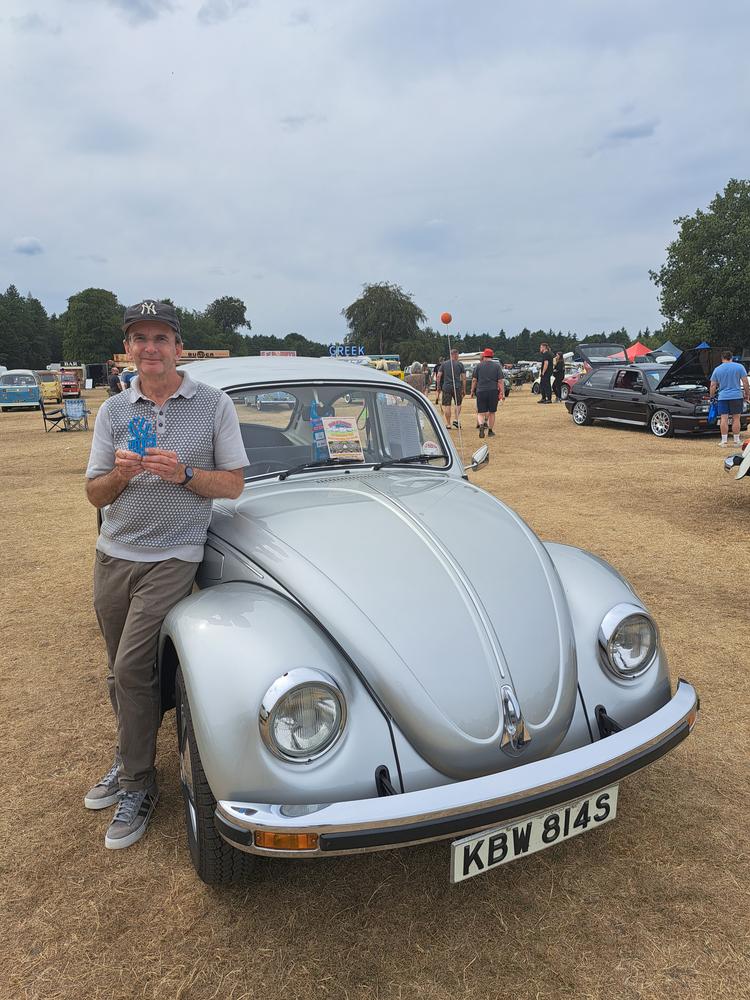
Last Edition Beetle Datasheet
The car was previously owned by Max Cohen for 14 years. I purchased the car from him on 20th May 2023 with a mileage reading of 79920.
(2nd June 2023)
A tragic tale with a happy ending
Number 115 has been through quite an adventure. See the gallery sections below (beginning September 2024) for more details, but here's the tl;dr précis for the time-poor.
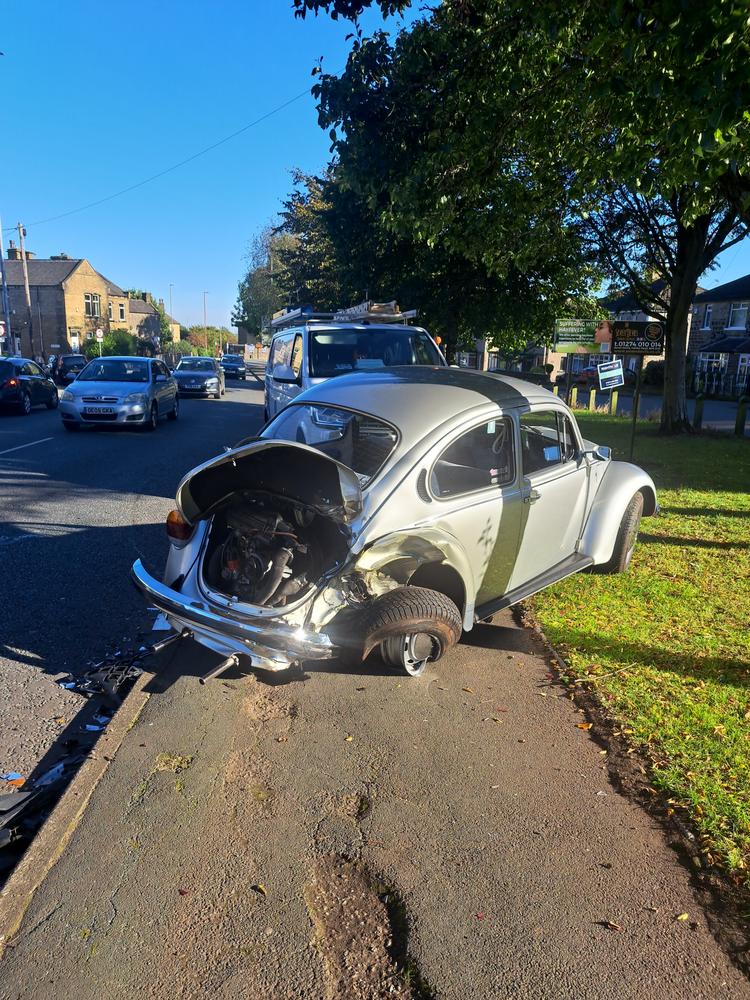
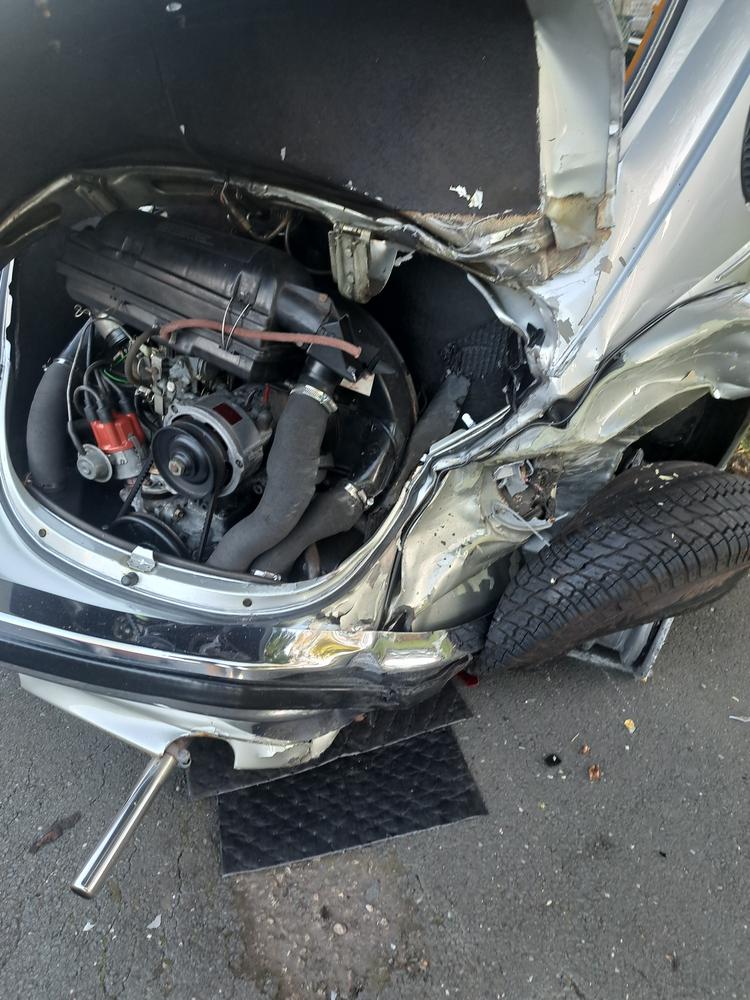
This Beetle's engine had an unfortunate tendency to stop at inopportune moments due to an elusive but recurrent fault. Following yet another of its funny turns, a van crashed into the parked car and mangled the offside rear quite badly. On the basis of a cursory glance at some photos and without any inspection, the insurance company condemned the Beetle as a Class B write-off, meaning it could never be returned to legal use. Robert fought back hard, and Robert won.
After the legal wrangling was concluded, the damaged parts of the car were replaced or repaired and the whole thing resprayed. It looks great. As a bonus, the engine problem that led to all this has (hopefully) been identified and resolved.
This is an epic tale of Beetle survival. It would have ended entirely differently without Robert's tenacity. If the LEB Register awarded medals, Robert would be heavily decorated.
(Summer 2025)
2004


2010


2011

2023


September 2024: When the trouble began
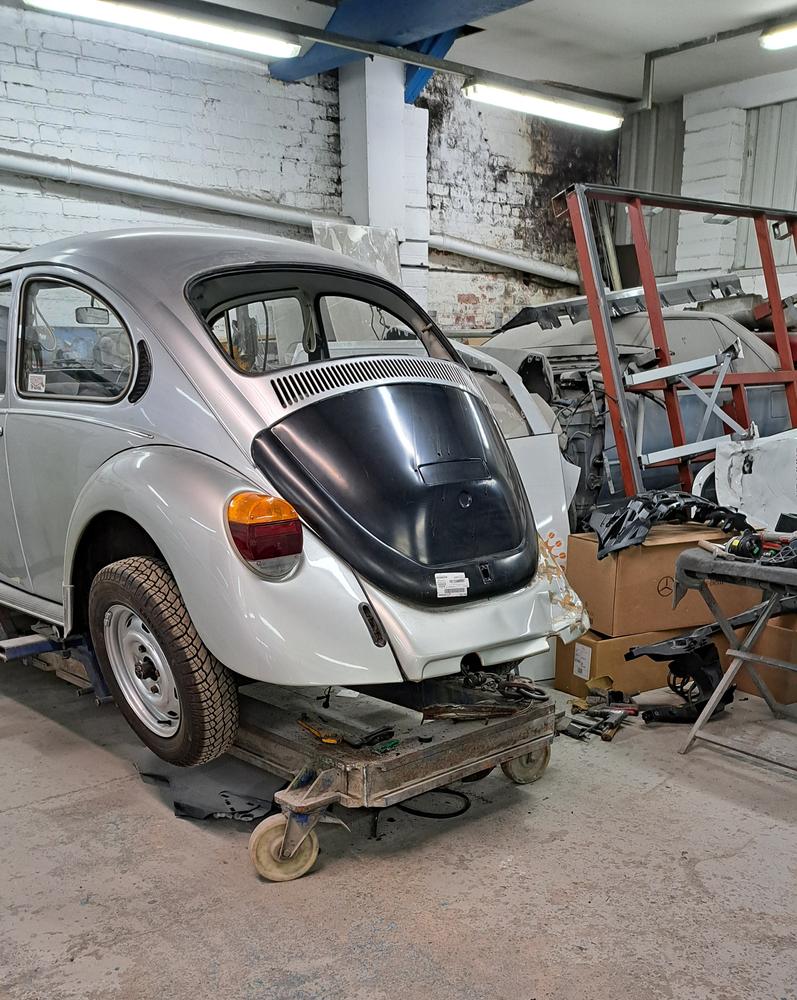
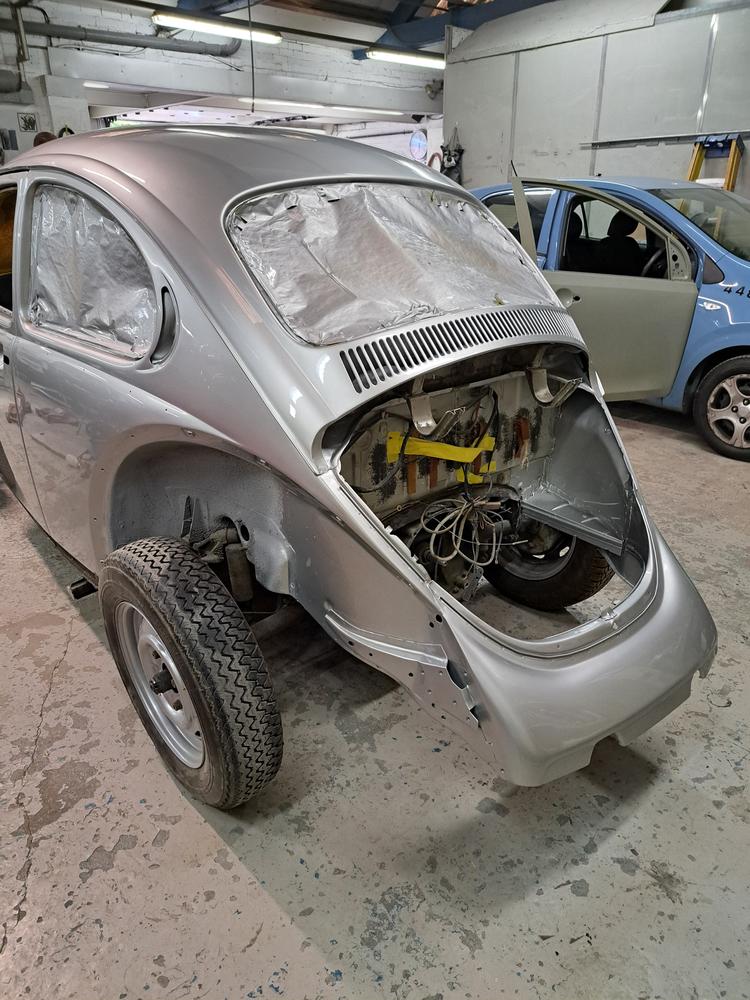
On September 17th, just 5 minutes from home, LEB 115 decided to stop and couldn't be persuaded to restart. Robert parked at the side of the road, put the engine lid up and the hazard lights on, then called the AA. While he was waiting, a van driver managed to run into the car, severely damaging its offside rear.
To Robert's considerable displeasure, the insurers declared the Beetle an uneconomical write-off, claiming they'd assessed the extent of the damage from photographs and that no engineer's inspection was necessary.
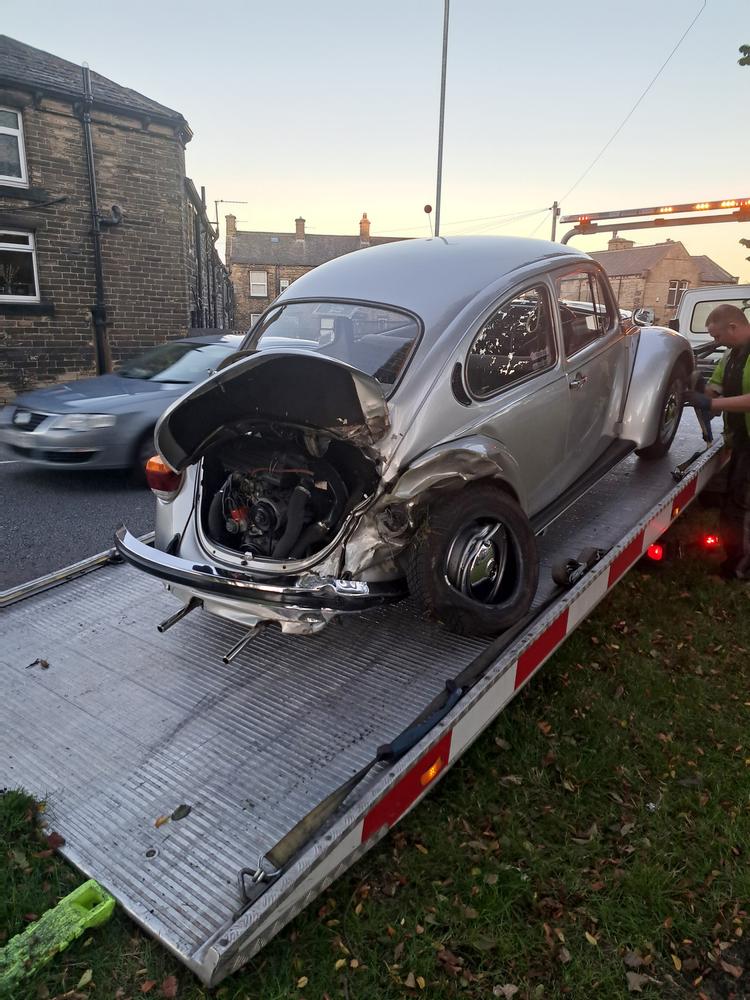
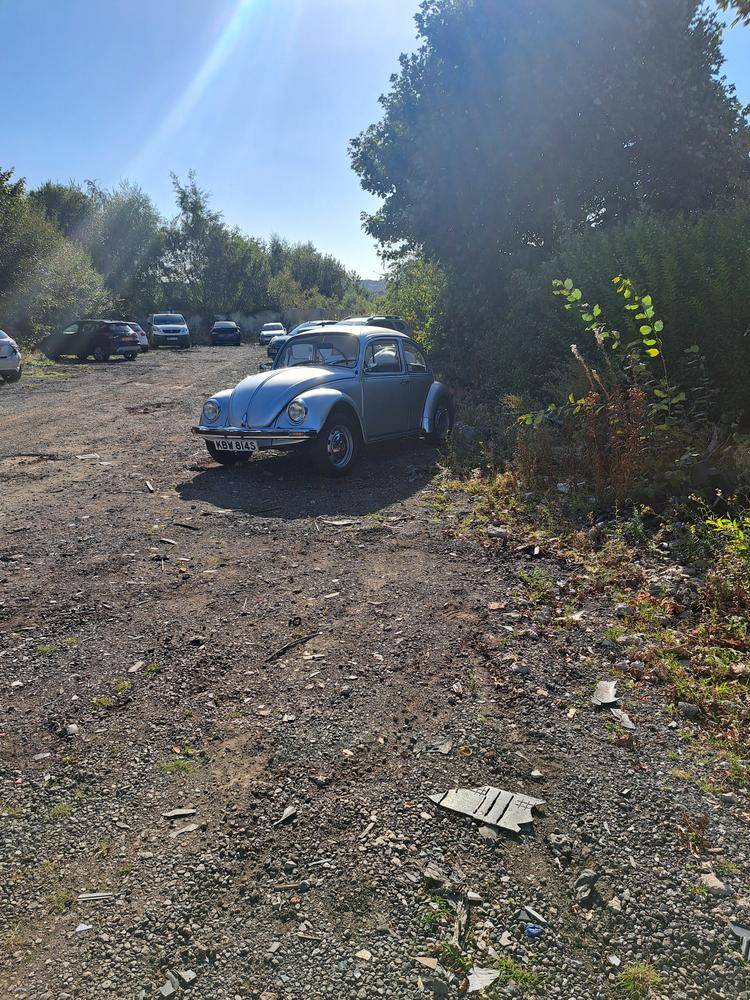
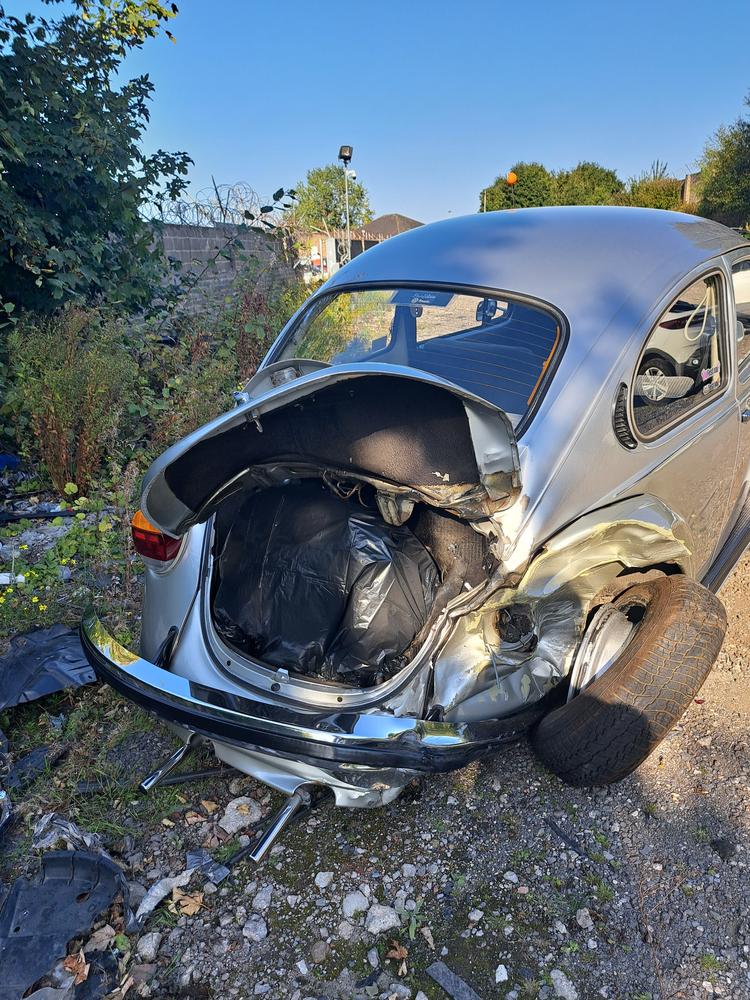
October 2024: Insurance disputes and suspension work
The attitude of the insurance assessor progressed from unhelpful to downright obstructive. Issuing proclamations from the comfort of their desk, they declared the car a Class B write-off, meaning it could only be used for parts and never returned to the road. This high-handed judgement was passed down with no physical inspection of the vehicle and ignoring Robert's comprehensive explanation of its historical significance. It's particularly galling to note that LEB 115 was covered by classic insurance yet treated like a modern car.
Also in October, the car was moved 35 miles to a salvage yard in Doncaster without Robert's consent. Robert made a complaint, and the insurers paid for it to be returned to his home area.
With the Beetle back in Leeds, Robert had its damaged suspension components replaced and a four wheel alignment test carried out which it passed. The mechanic was confident that the car could be repaired and called in an independent vehicle accident assessor who agreed. He said the Cat B marker was a travesty and that the insurer's assessor had not followed the procedures for a classic car. His report said that the repair cost would come in under the car's agreed value and that Robert had been unfairly treated. It also detailed the initial assessor's failings and made clear that a complaint would be made to the FCA governing body if necessary.
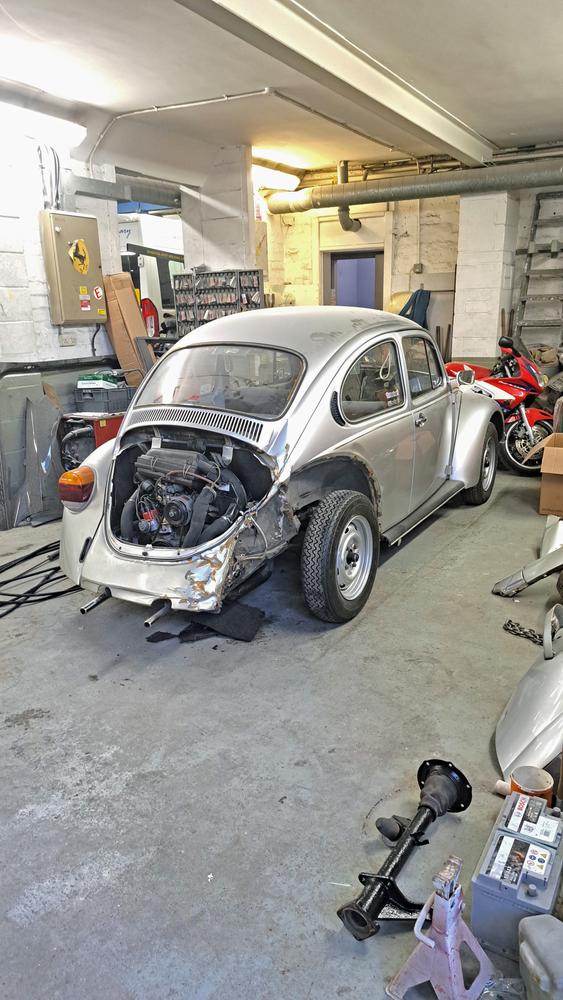
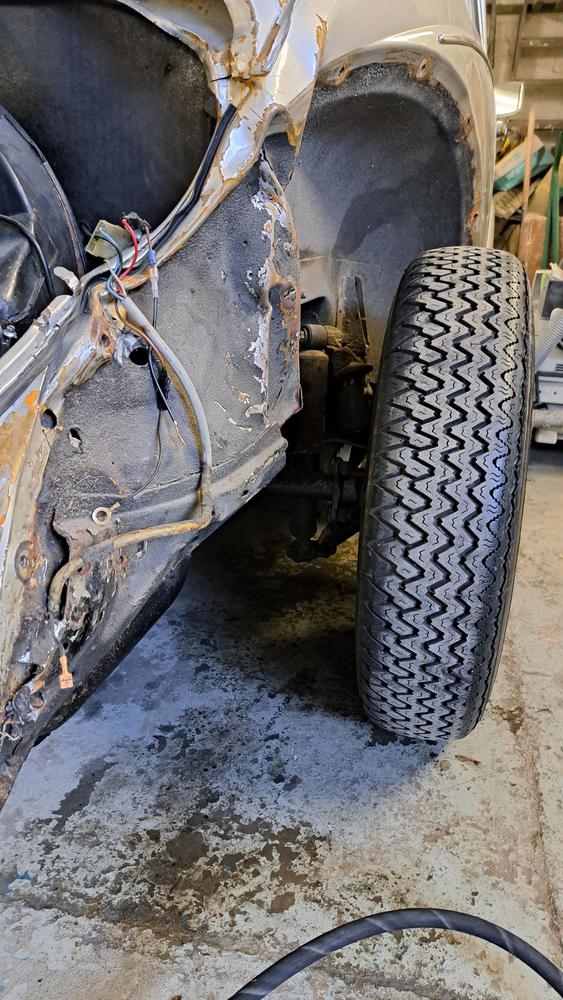
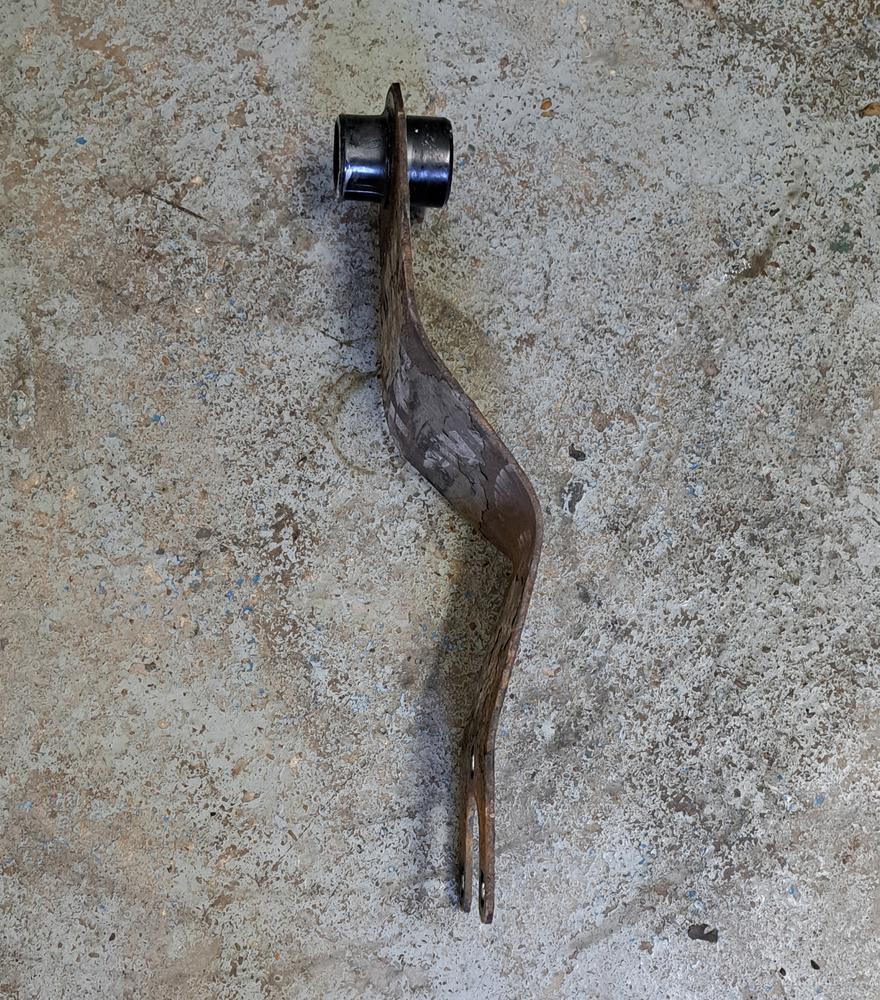
December 2024: Insurance resolved and new panels fitted
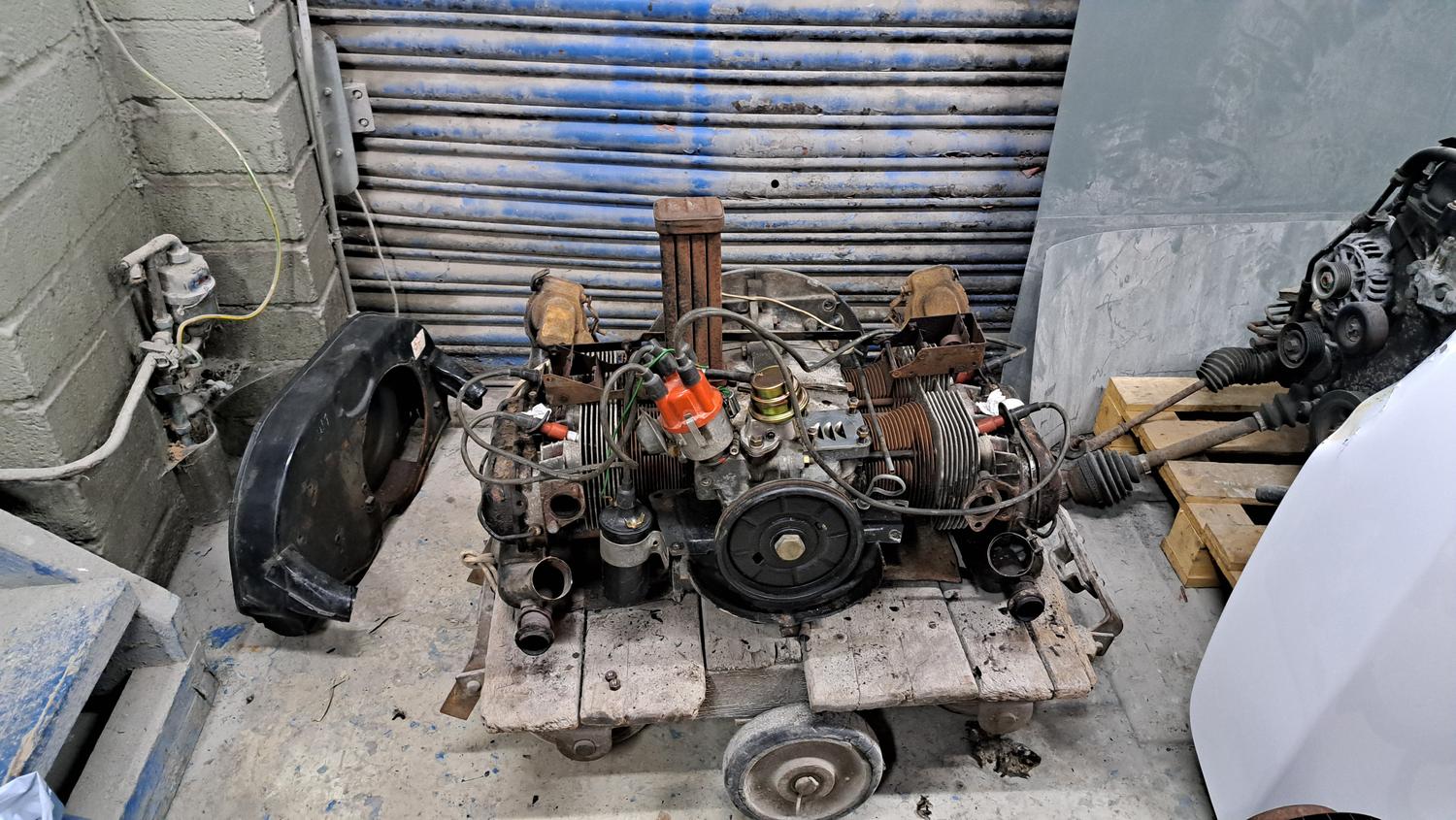
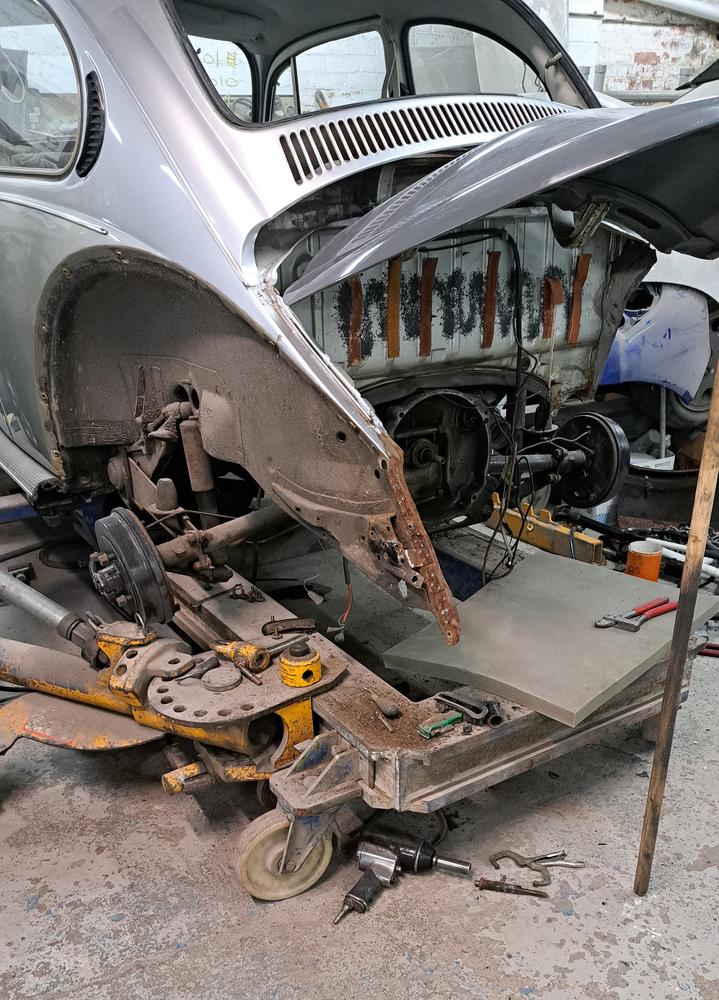
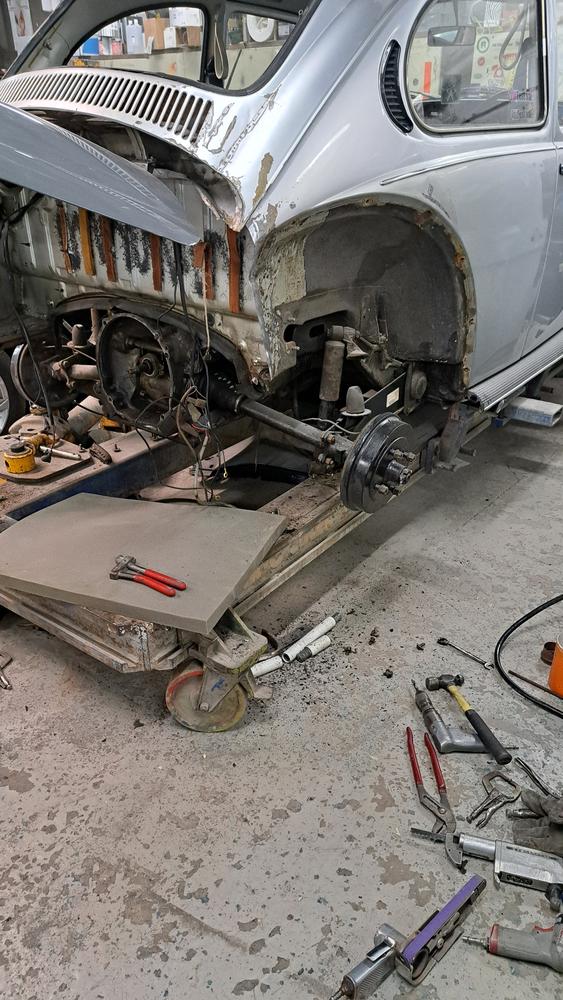
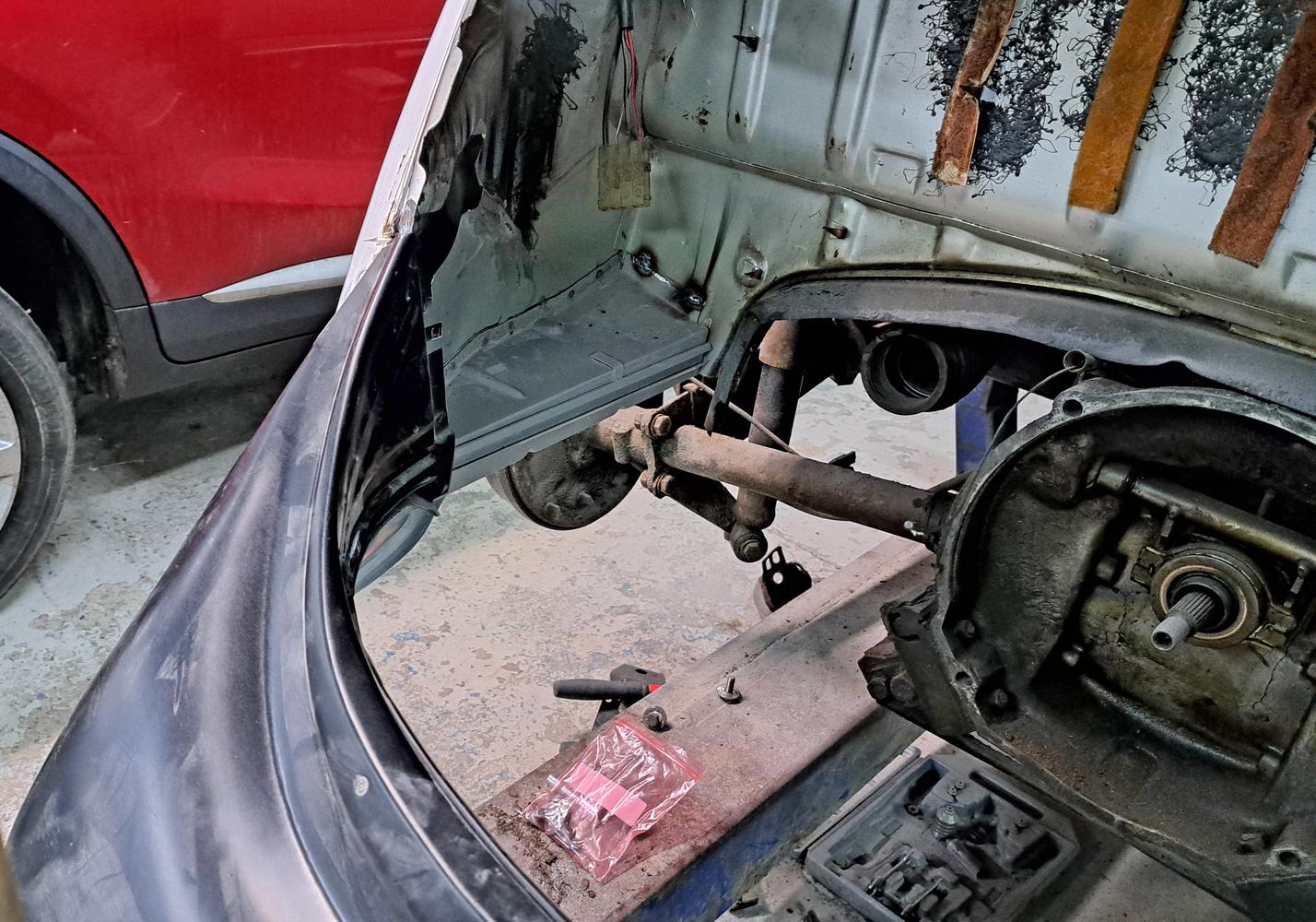
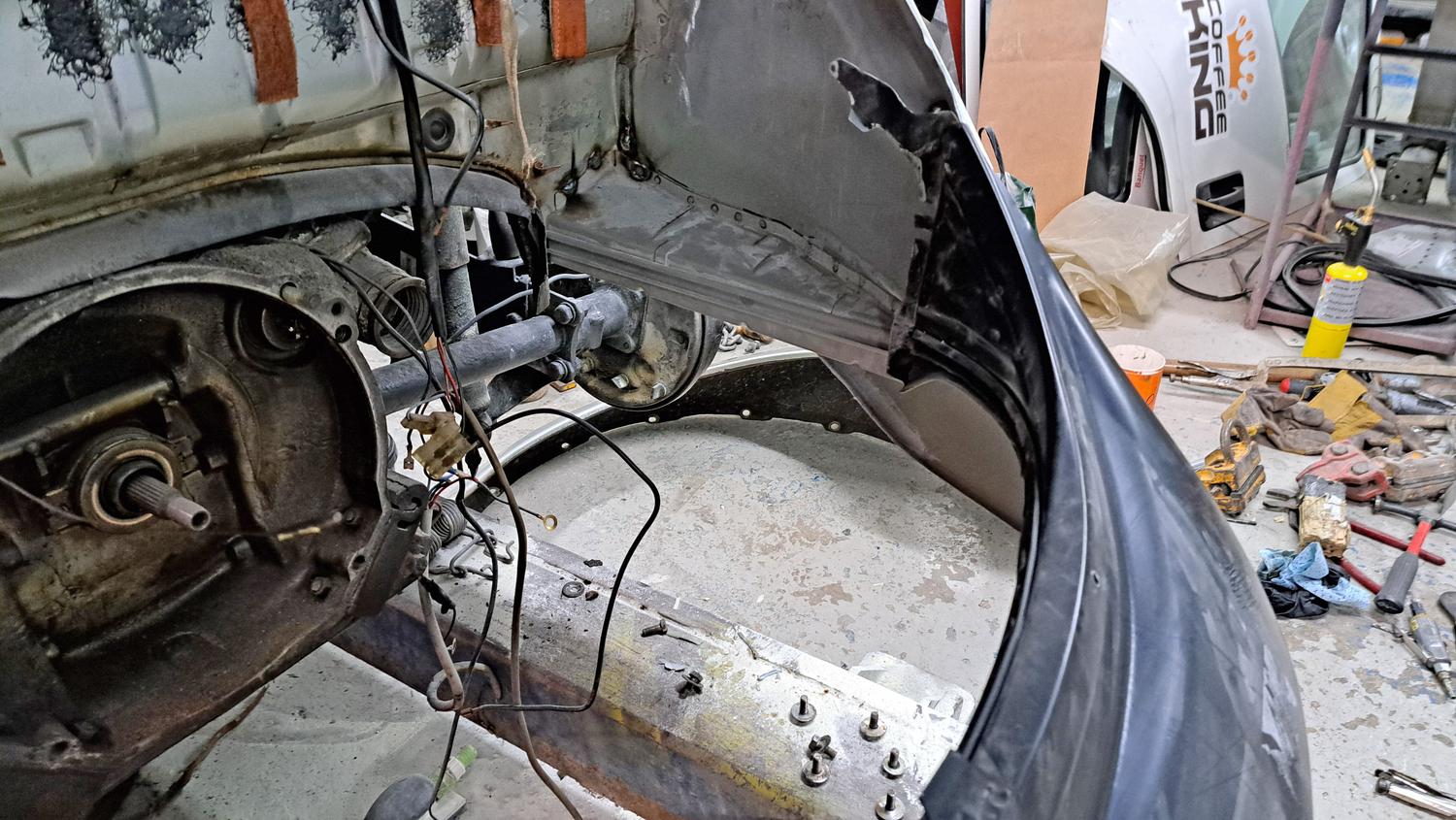
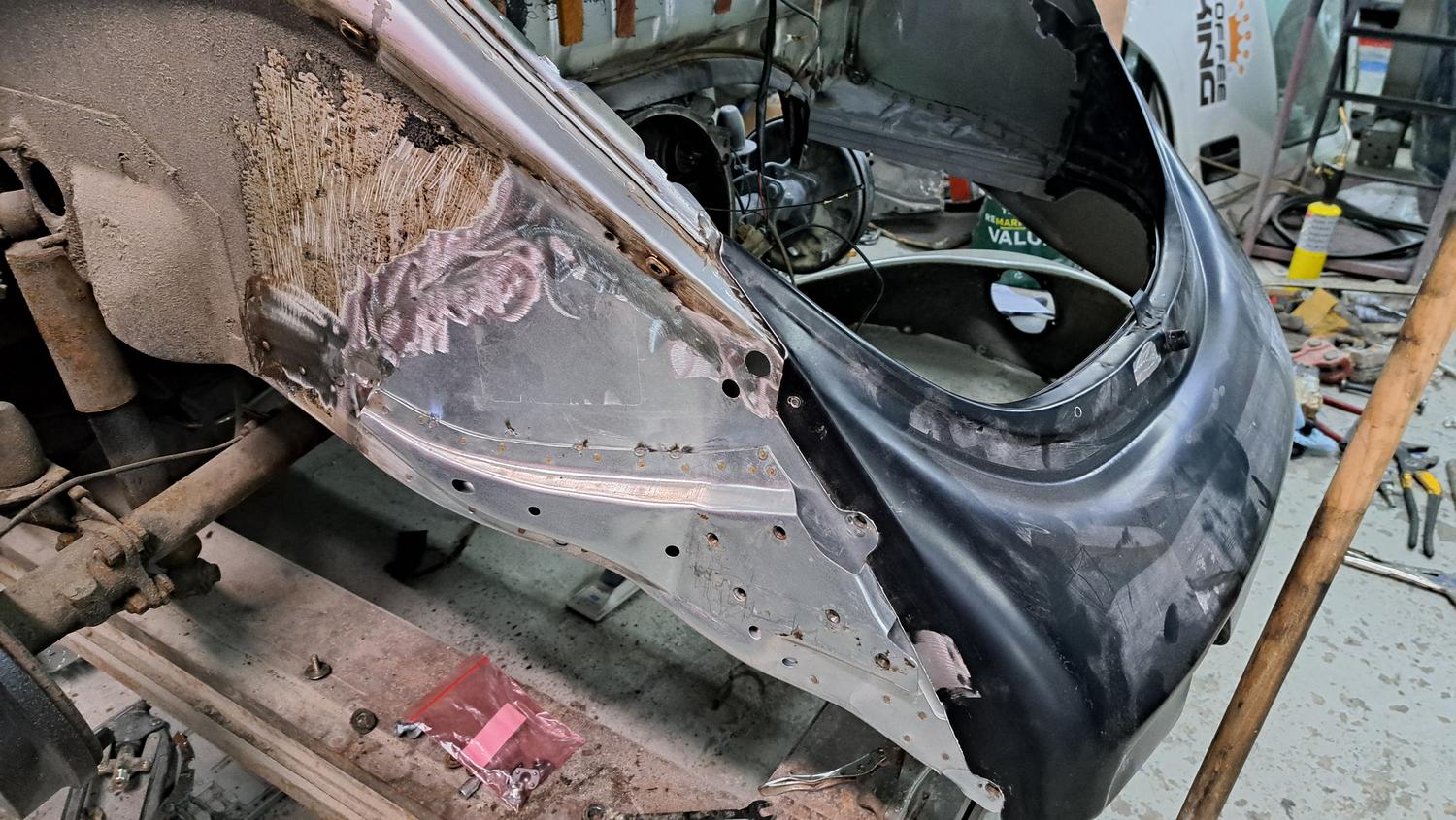
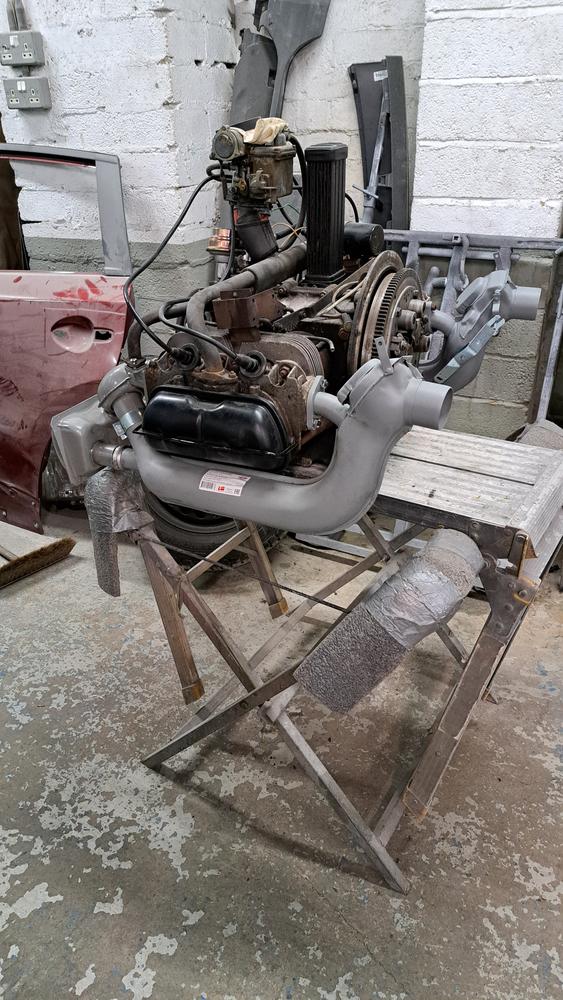
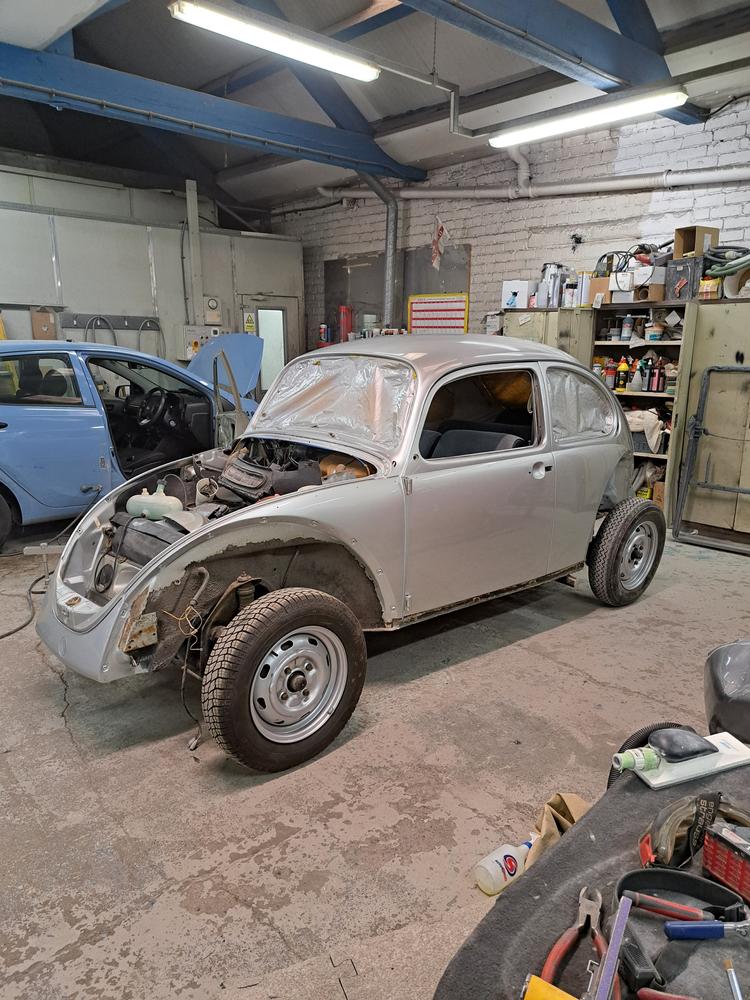
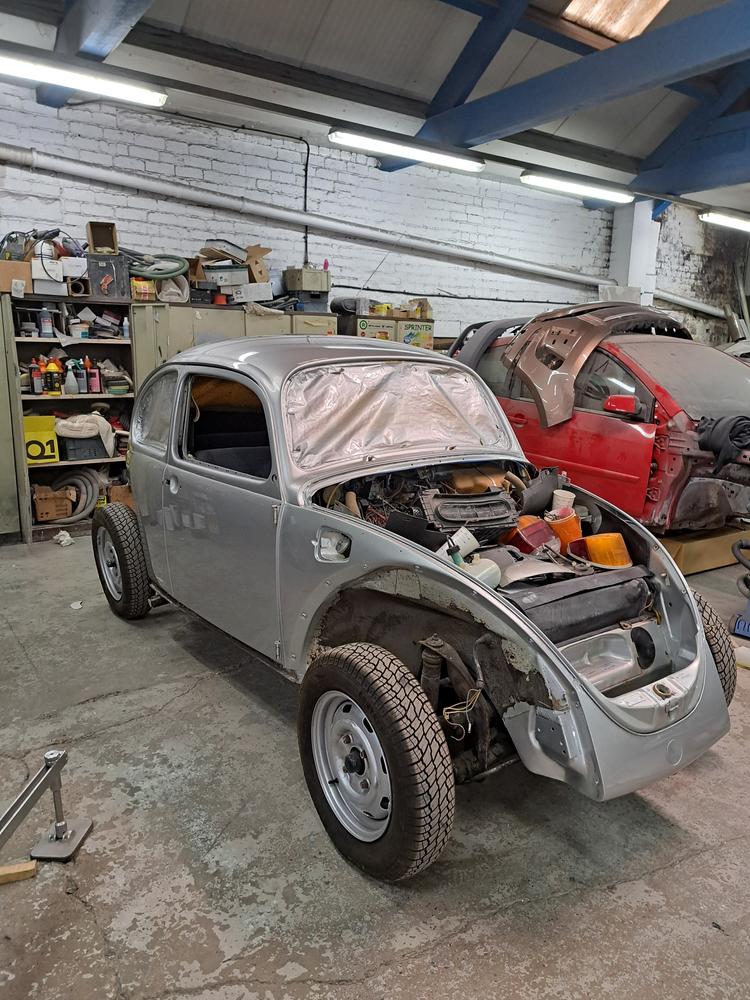
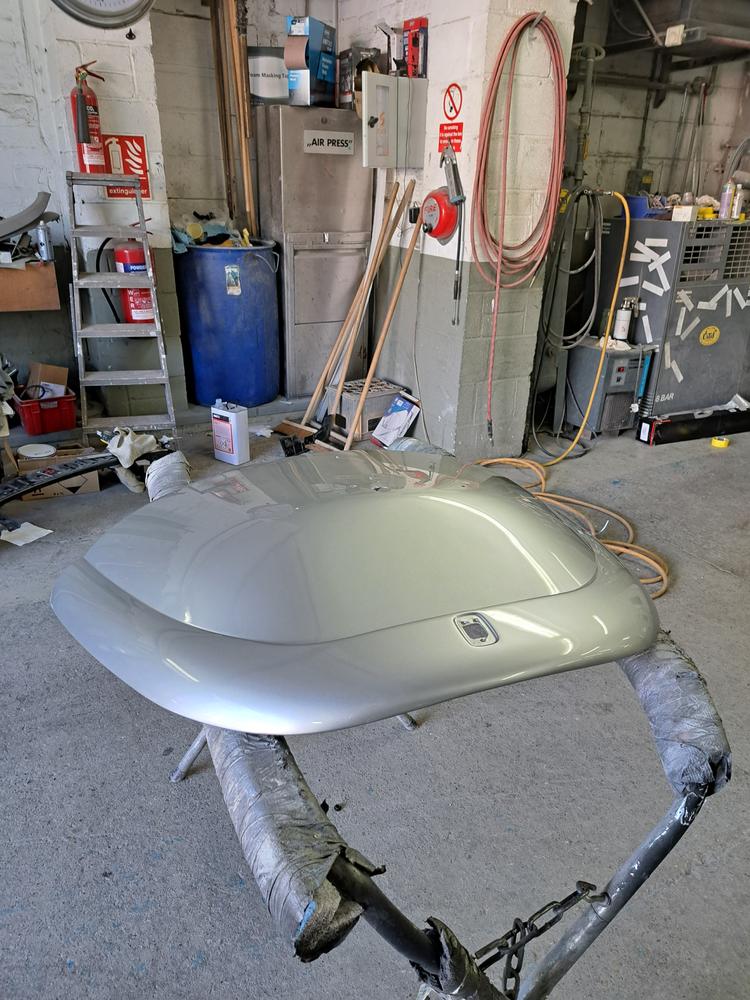
With the insurer eventually conceding defeat, repairs proceeded in earnest through December and January. The engine gained new heat exchangers, exhaust, rocker cover and plug leads with its surrounding tinware shot blasted then powder coated. While everything was in pieces for the main repair, the opportunity was taken to replace the corroded edge of the nearside rear inner wing. The engine lid was replaced with a good secondhand German example after a pattern part turned out to be flimsy and ill-fitting.
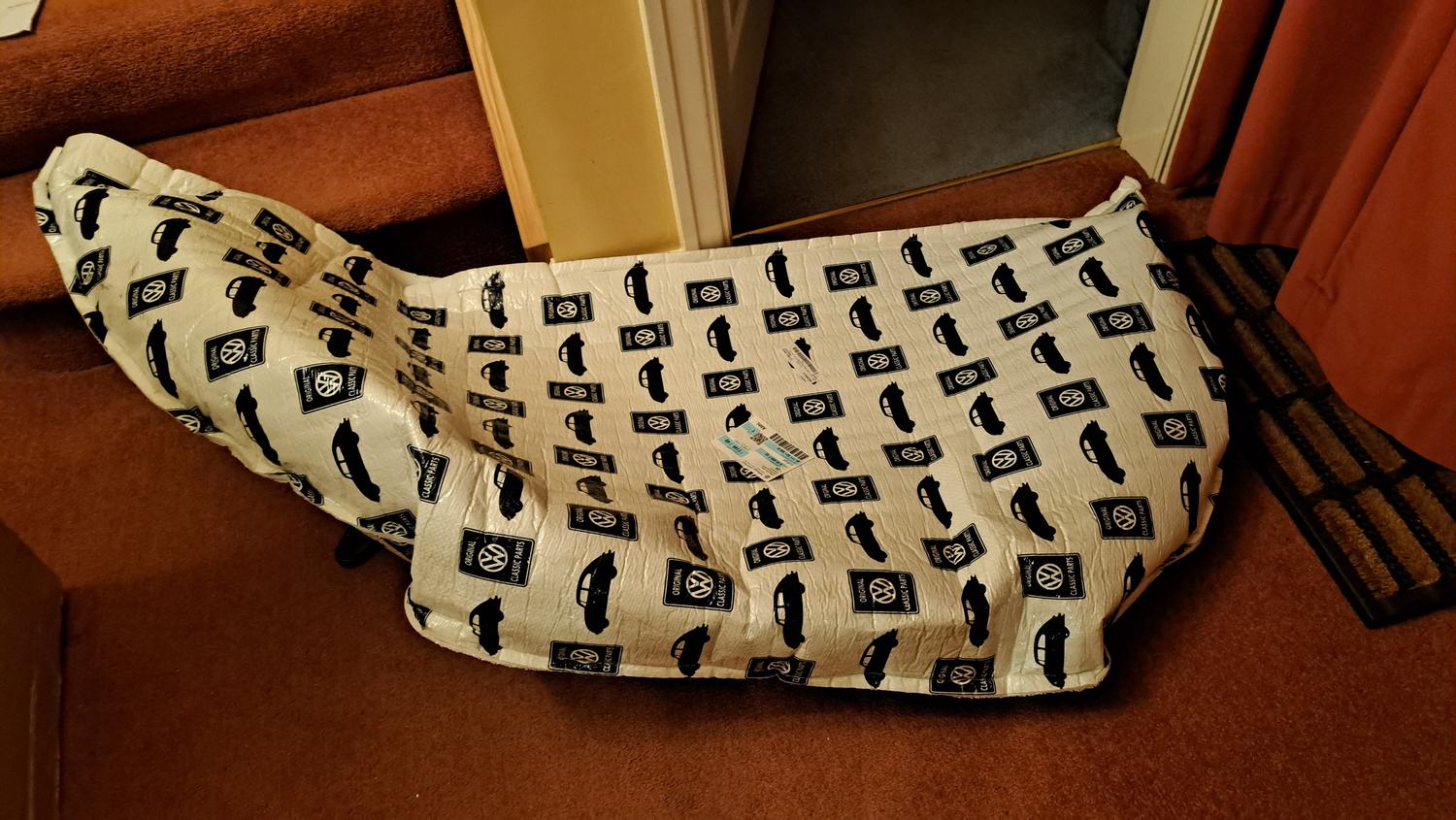
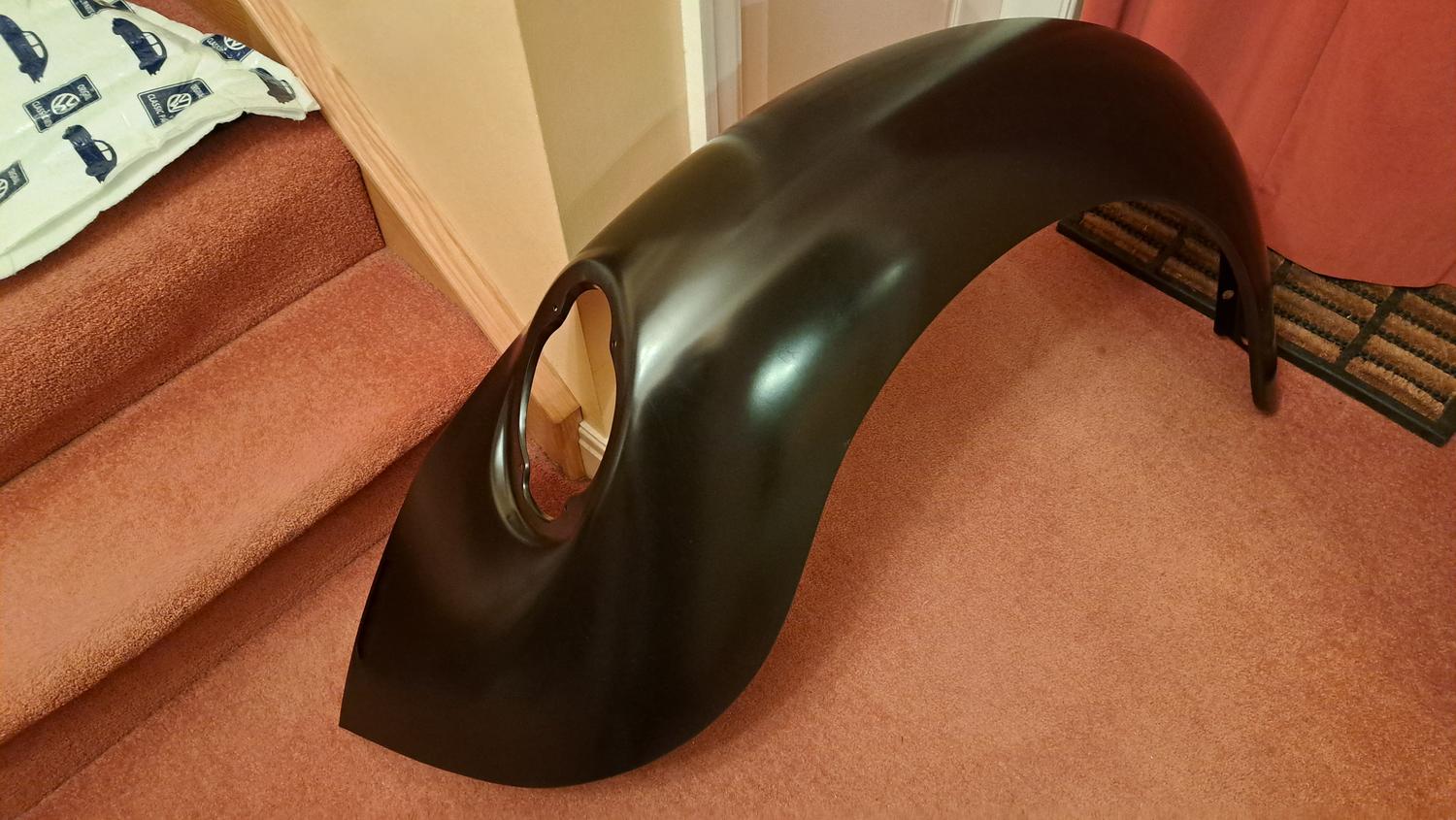
January 2025: Engine bay work
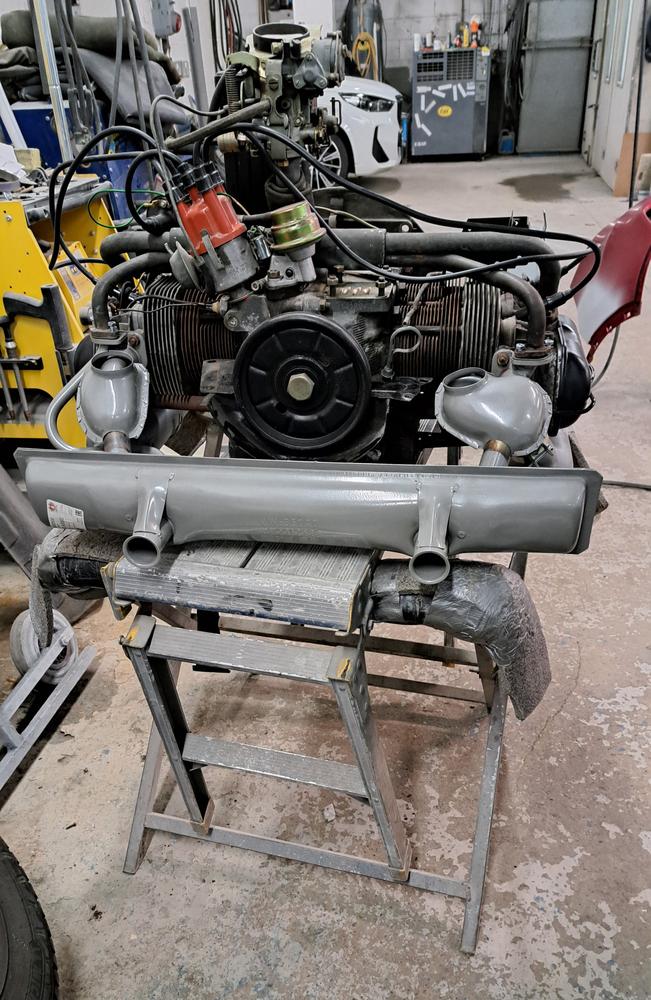
February - March 2025: Engine problems resolved
The engine was sent to the Herbie Hospital in Wetherby for rebuilding and bench testing as necessary. They discovered 2 valve tappets closed and a small hole in the inlet manifold which looked likely to be the cause of the running issues. They gave it a major service, checking the clutch and installing a new flywheel oil seal. It started up straight away and ran well.
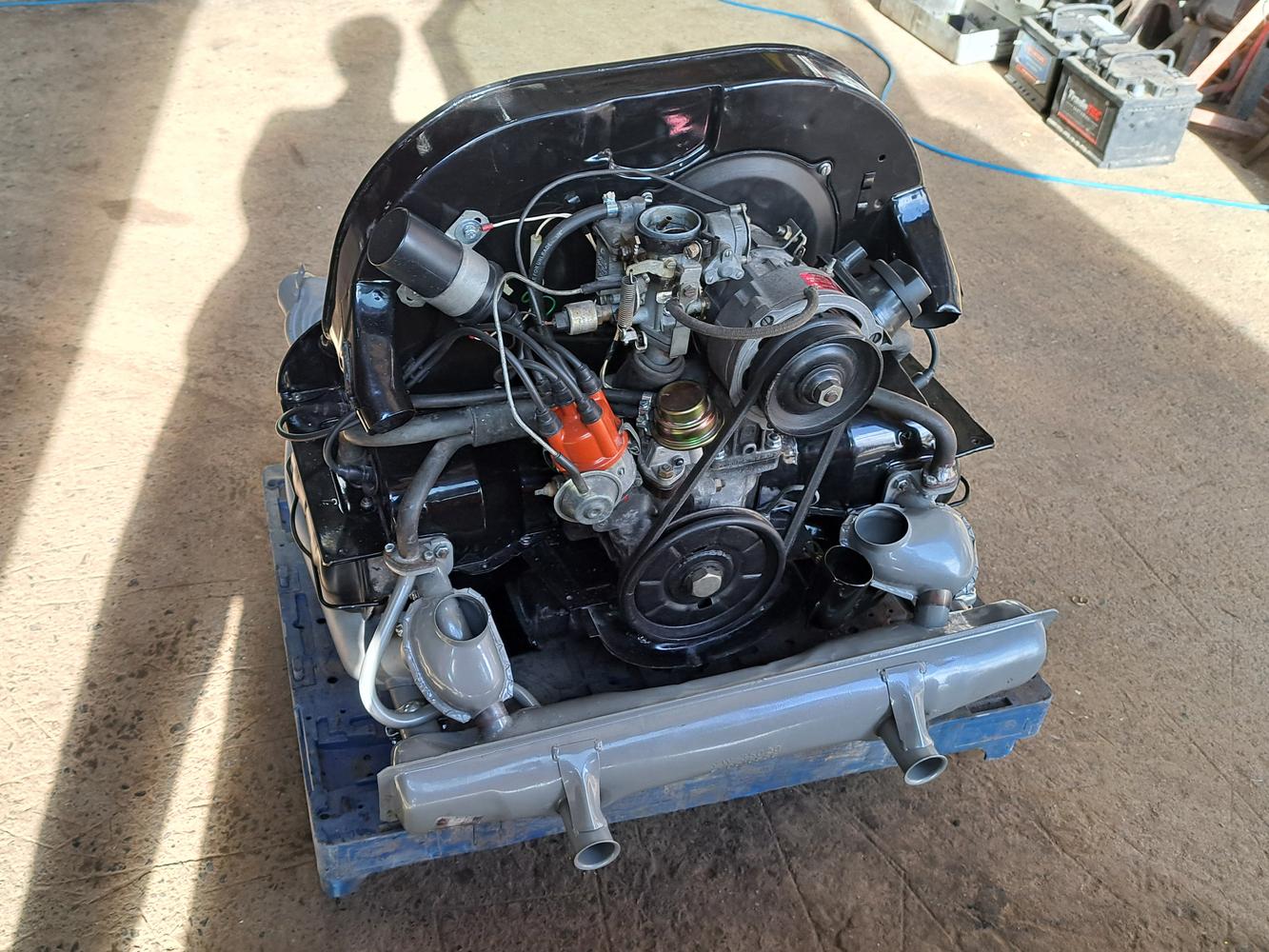
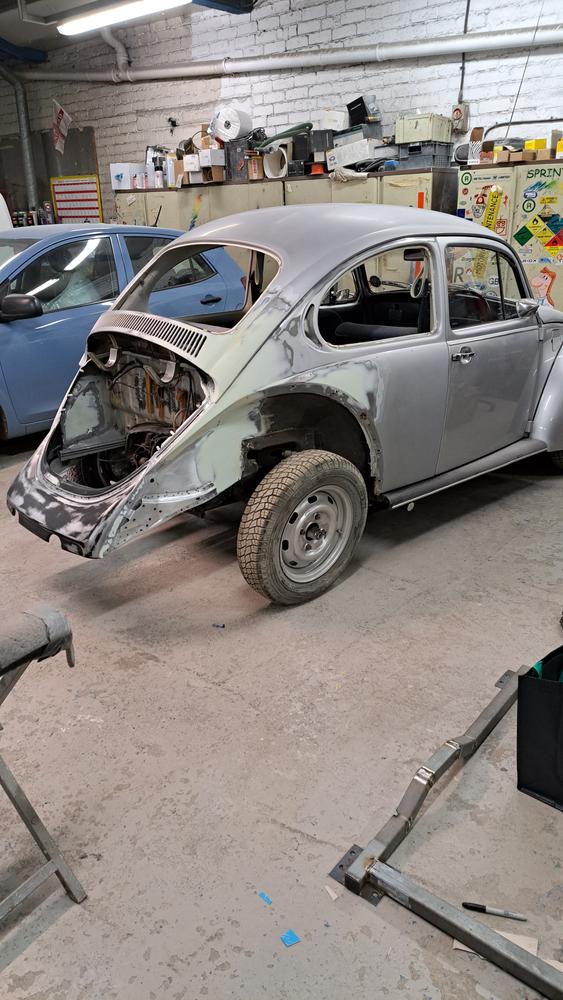
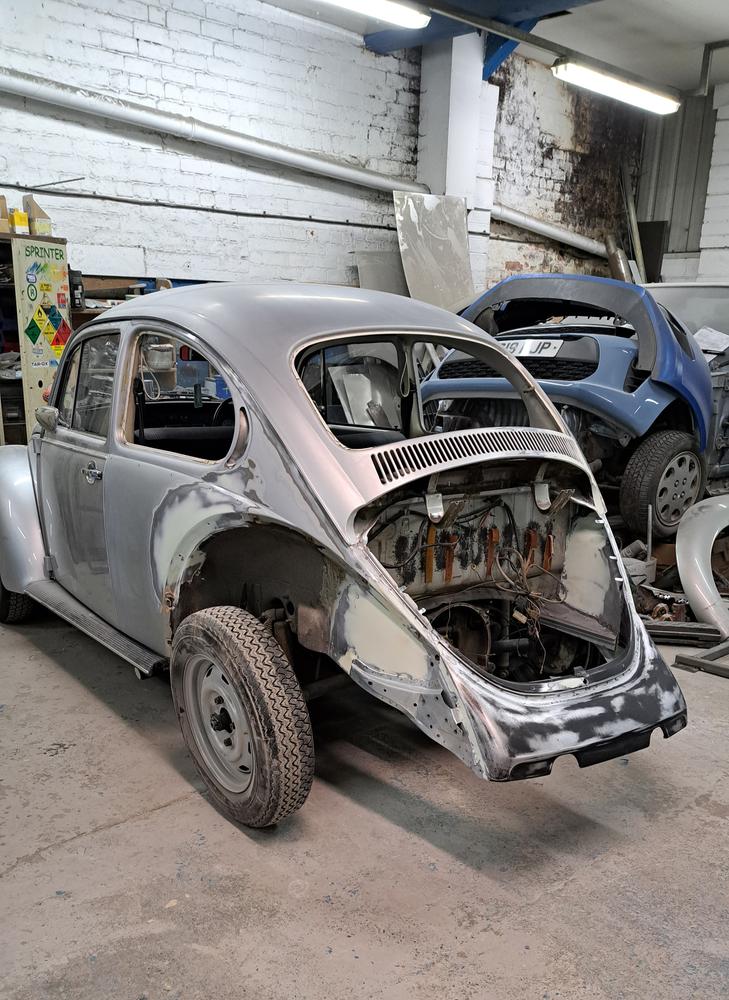
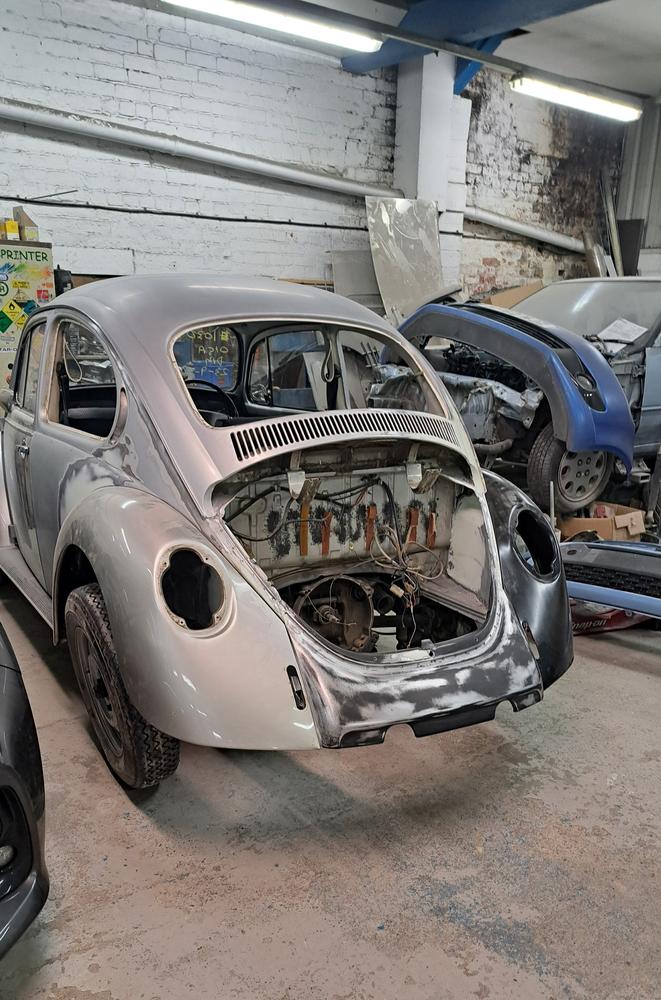
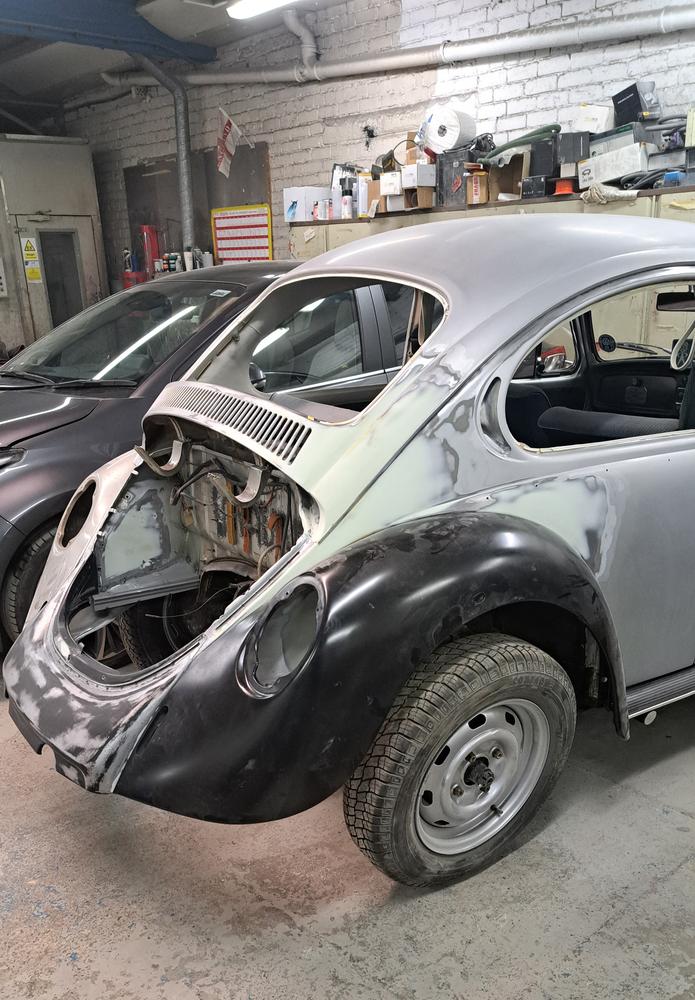
April 2025: Priming
All the repaired sections were prepared for their final paint.
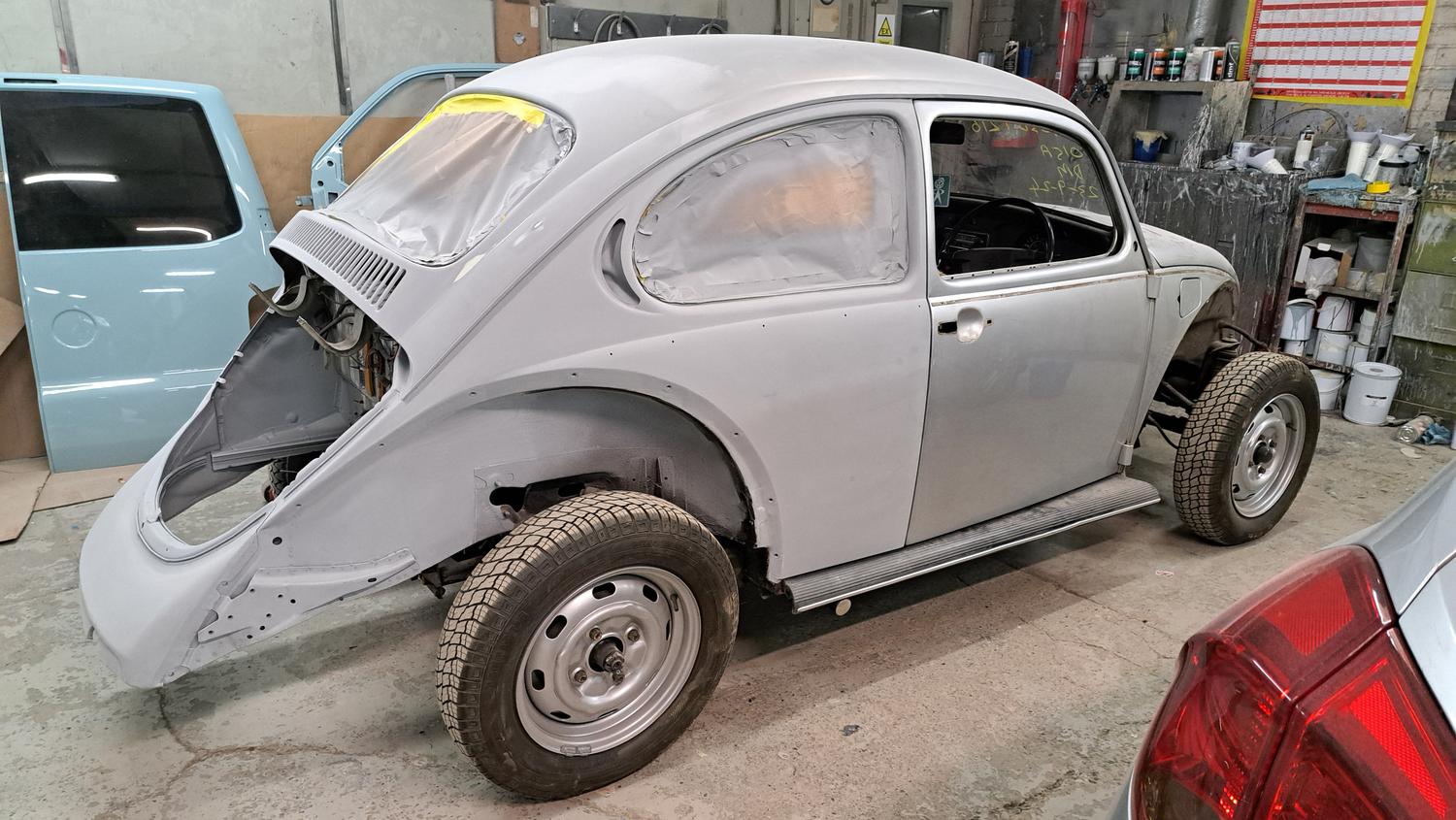
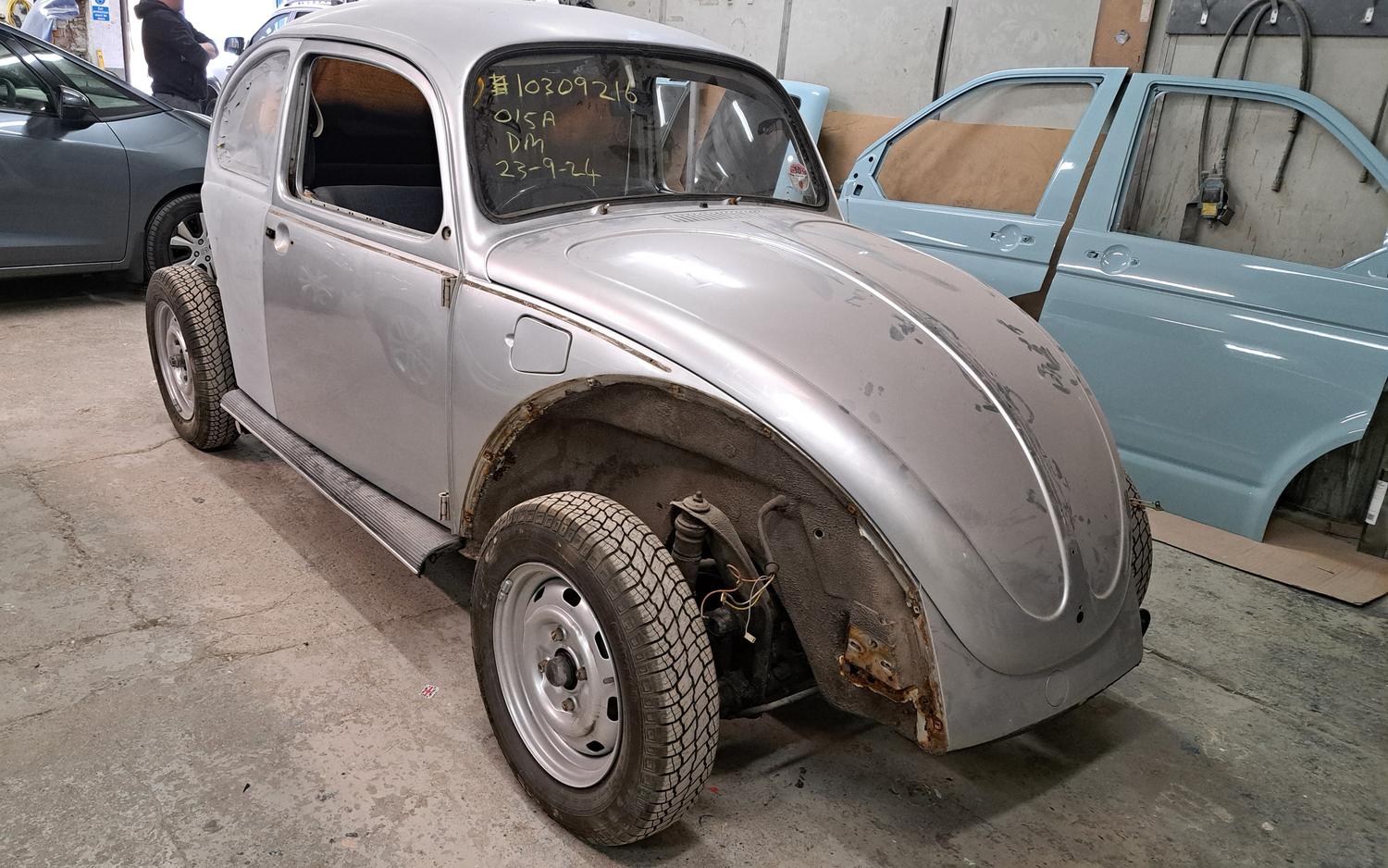
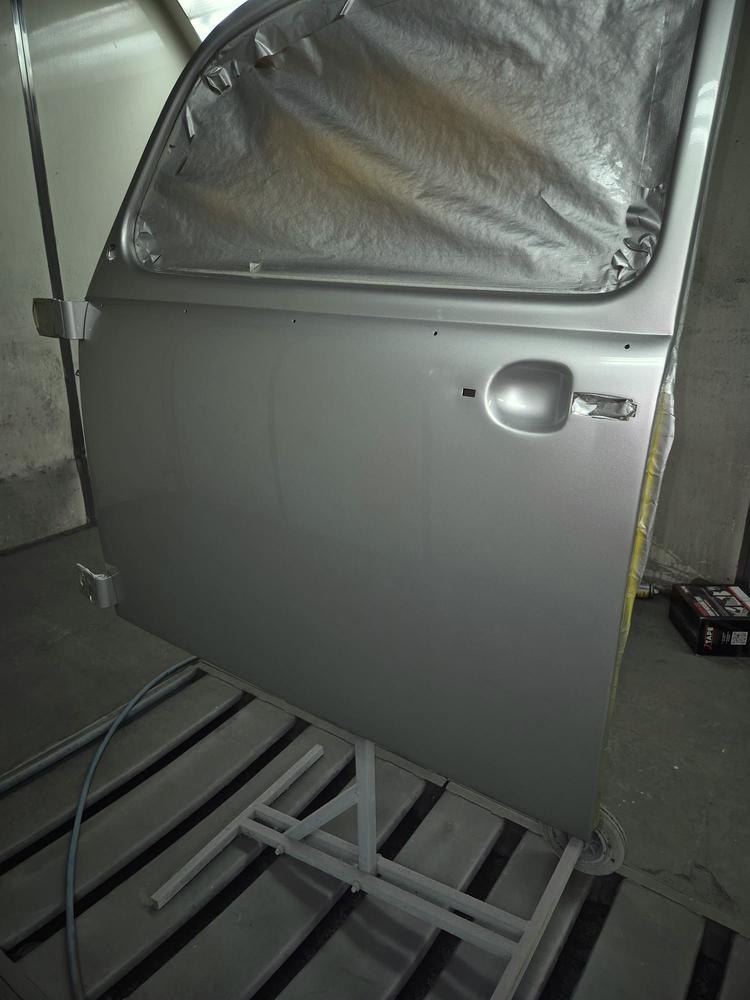
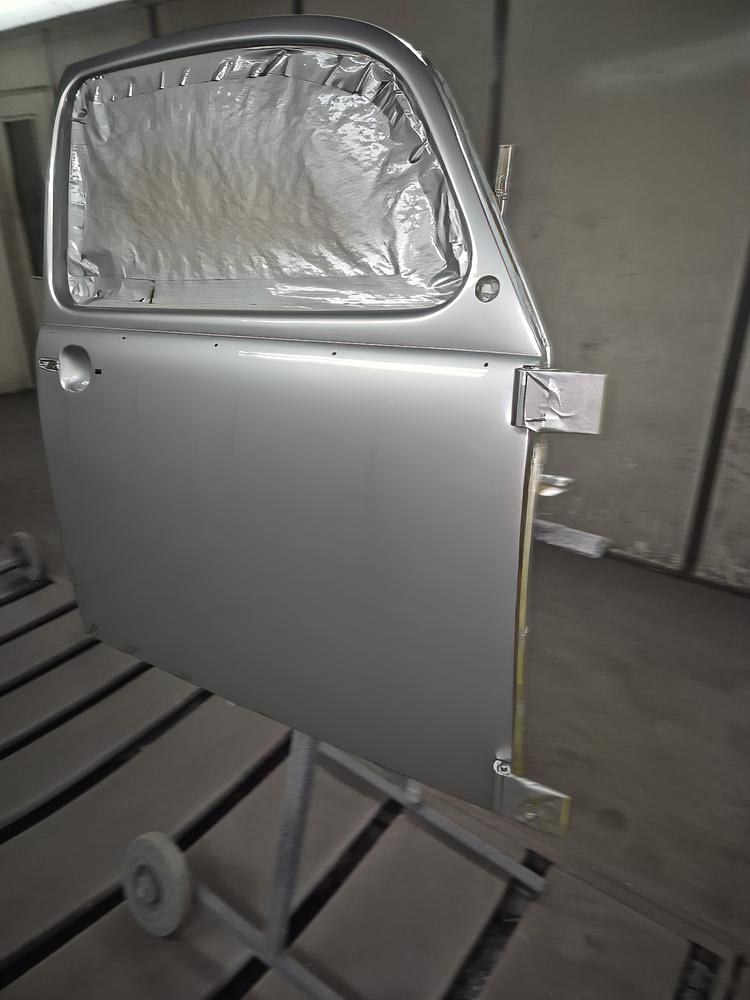
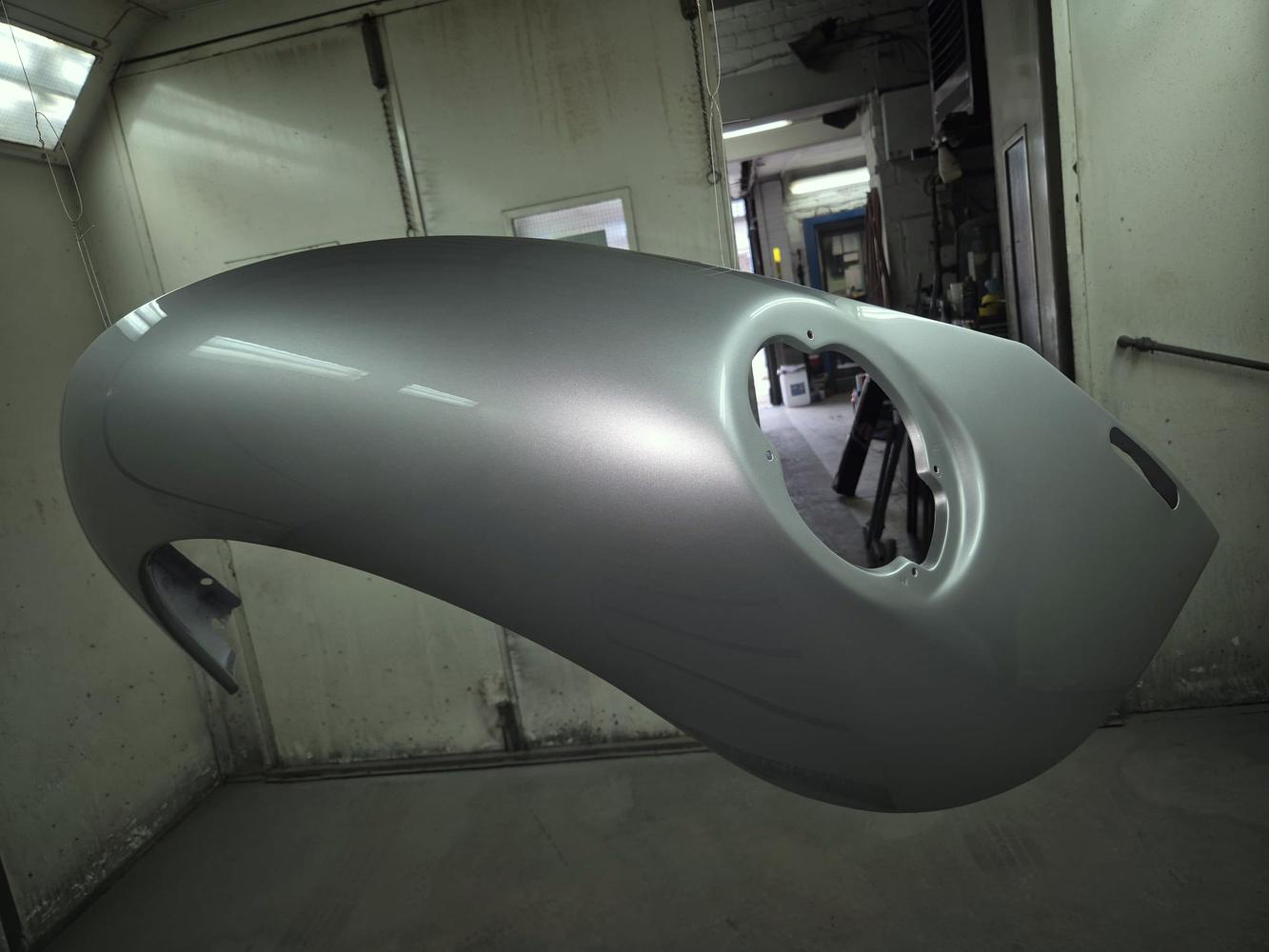
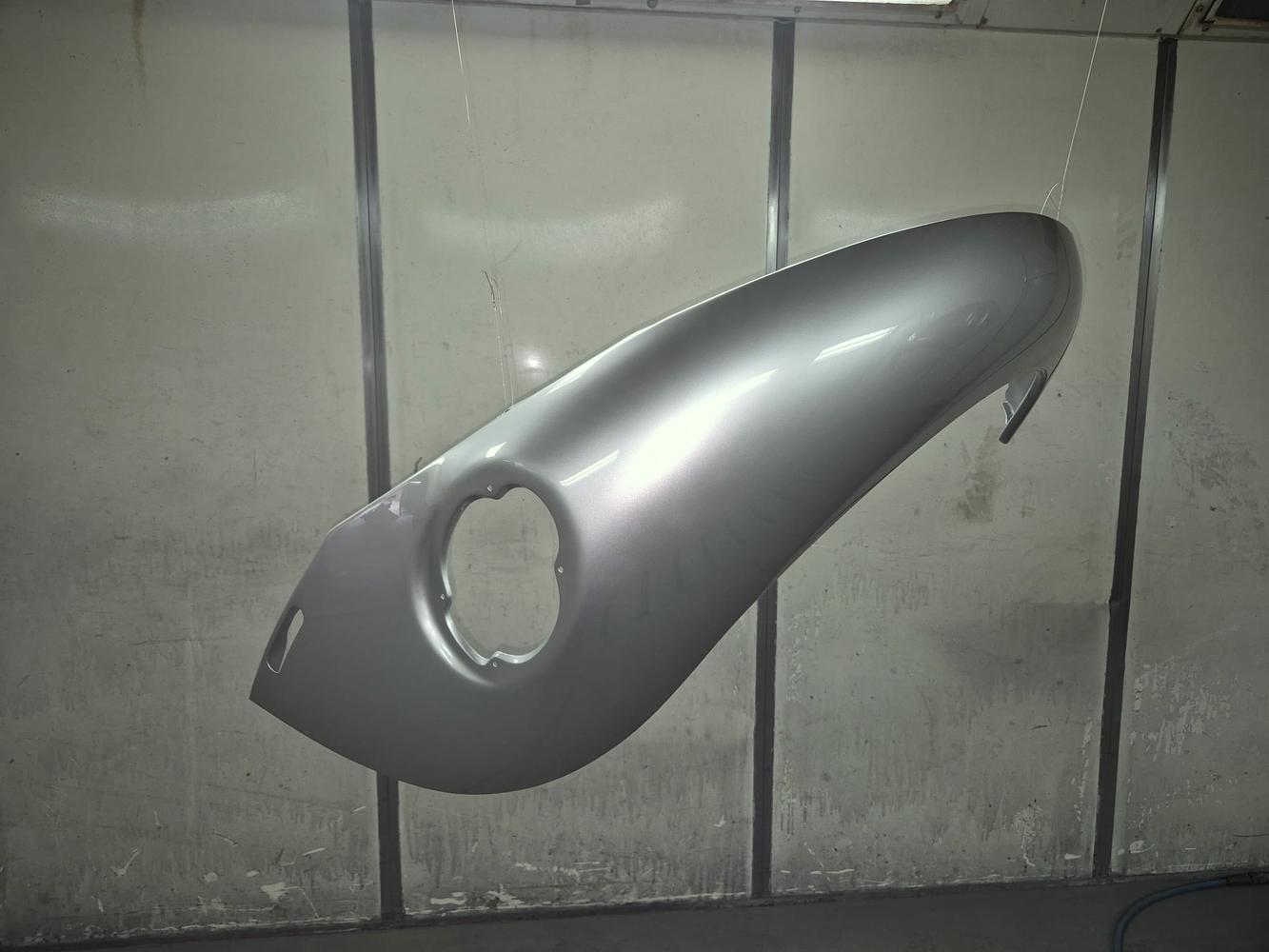
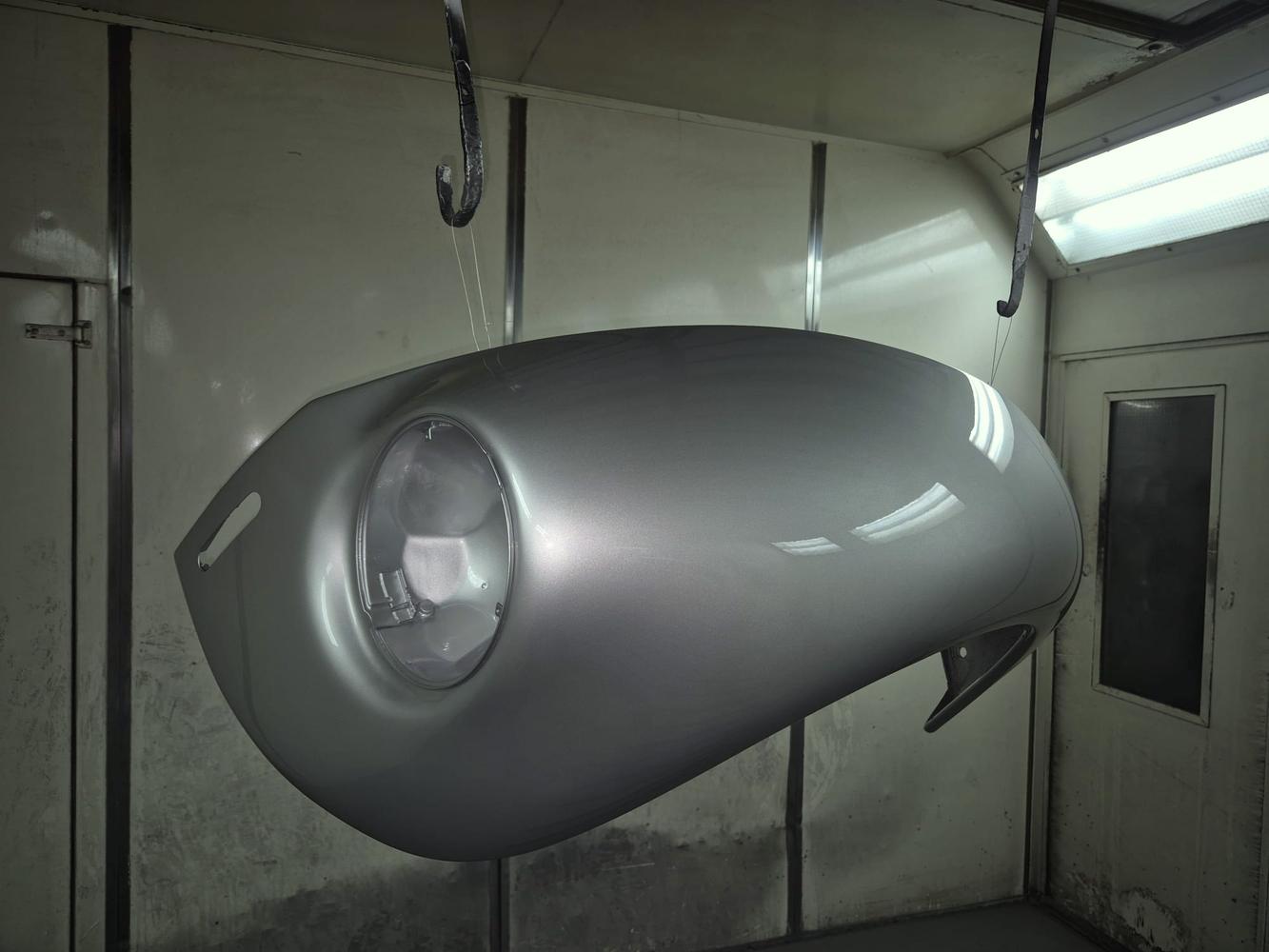
July 2025: Painting
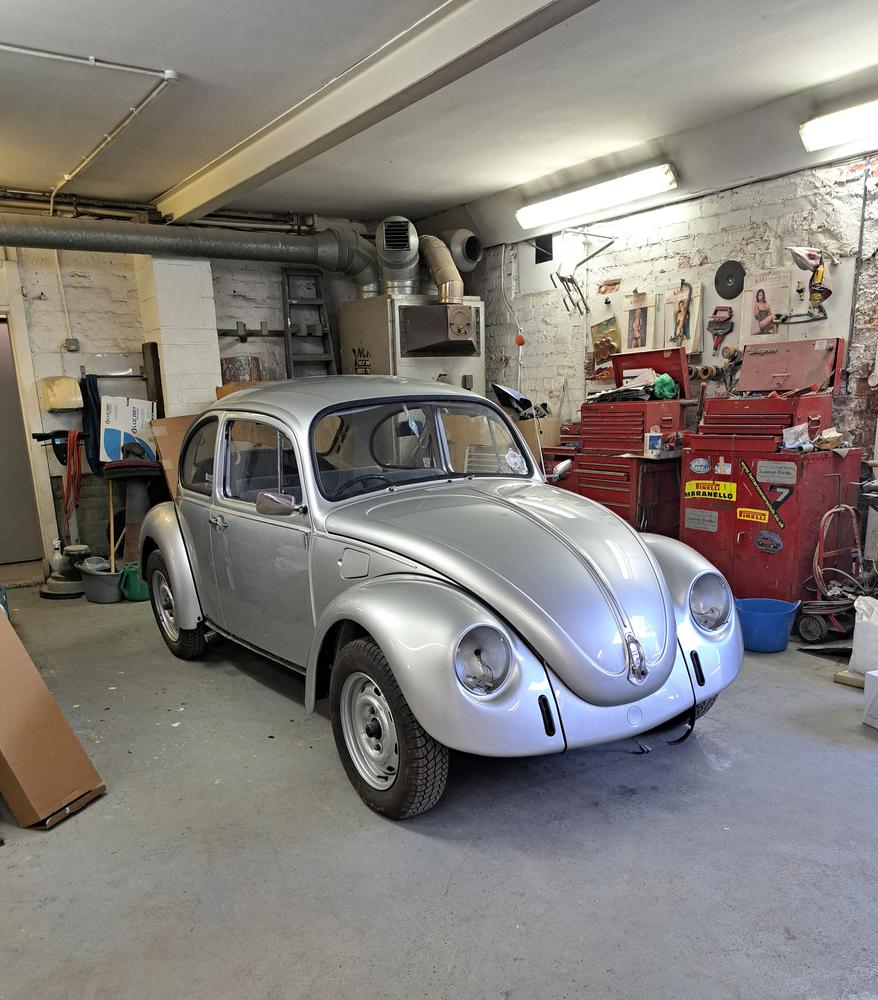
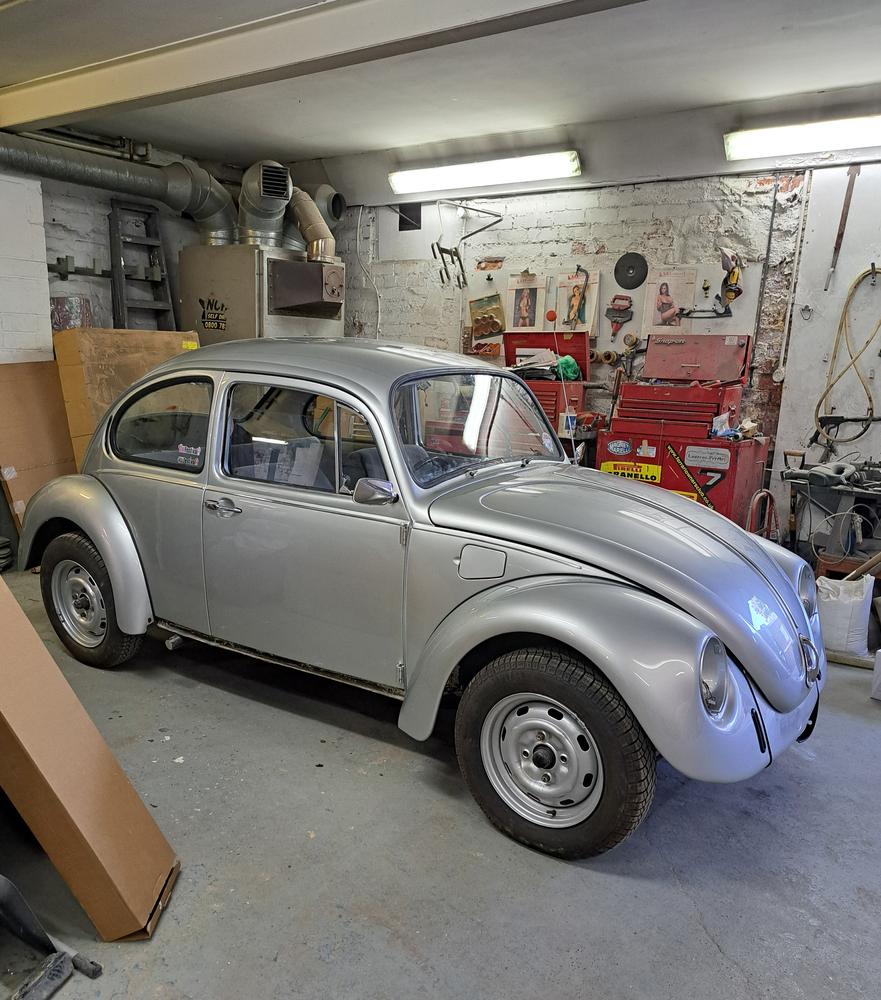
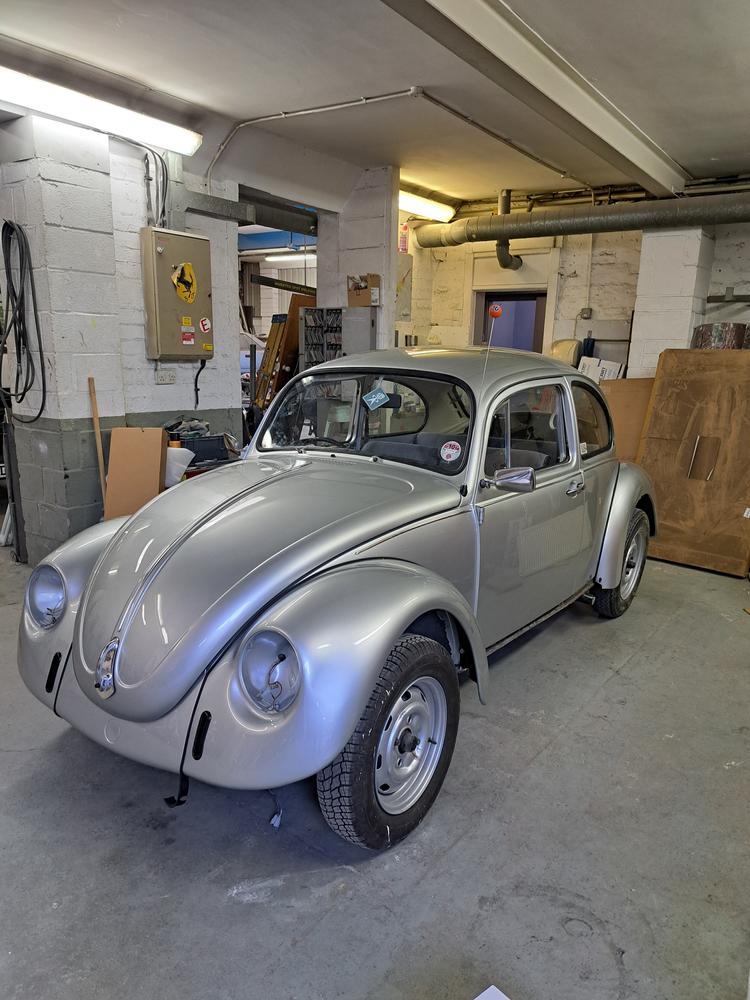
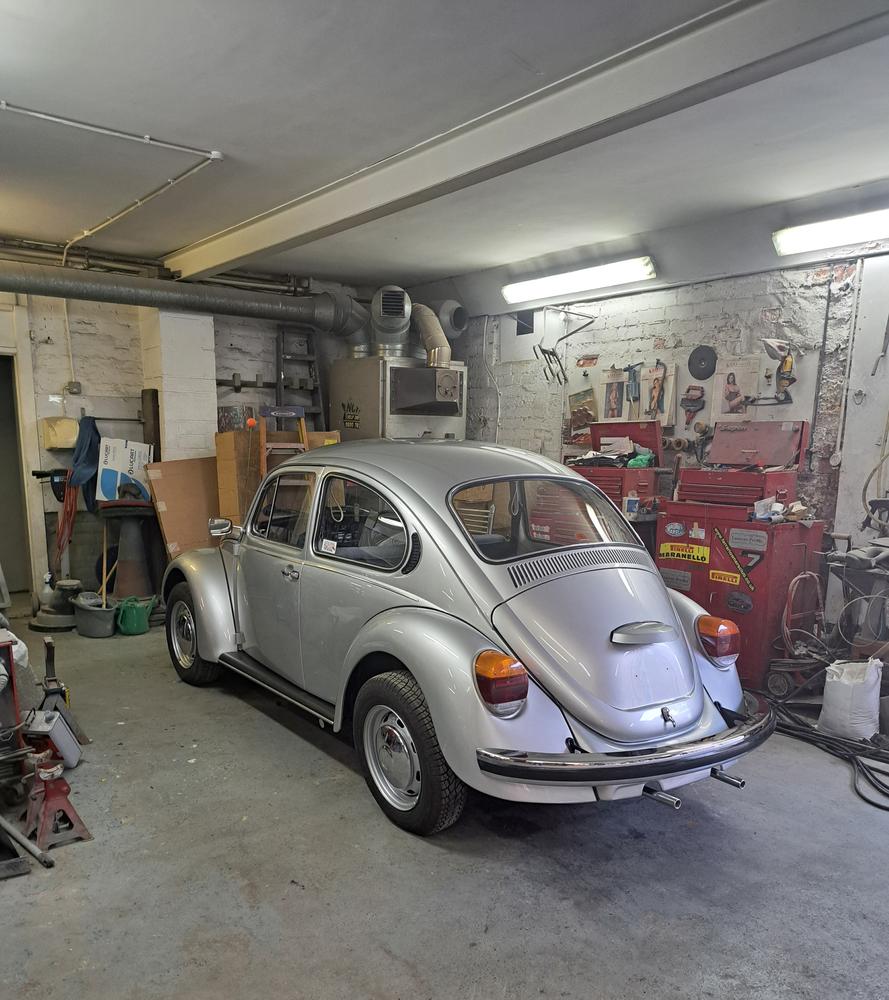
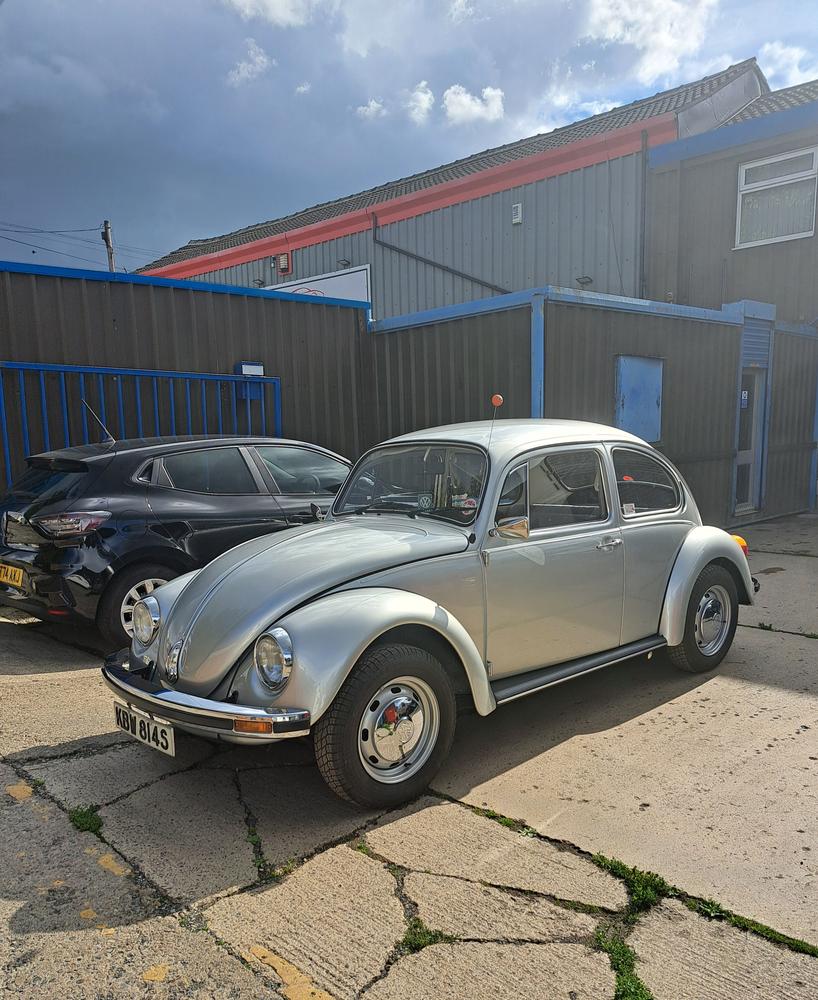
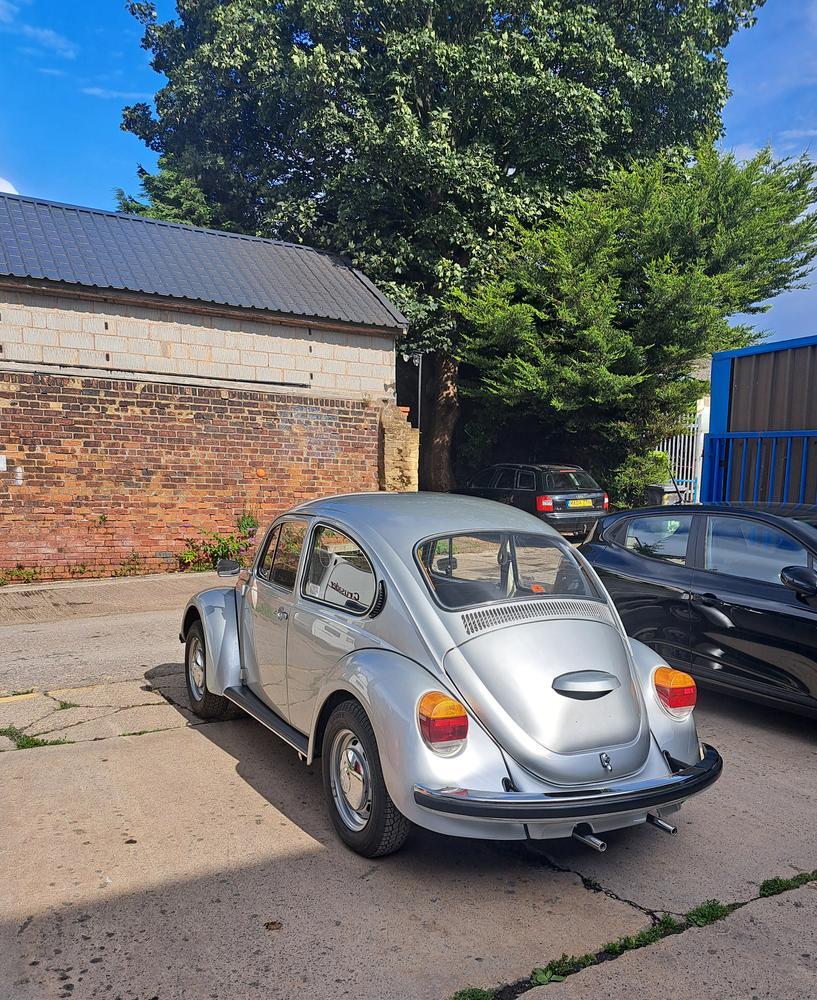
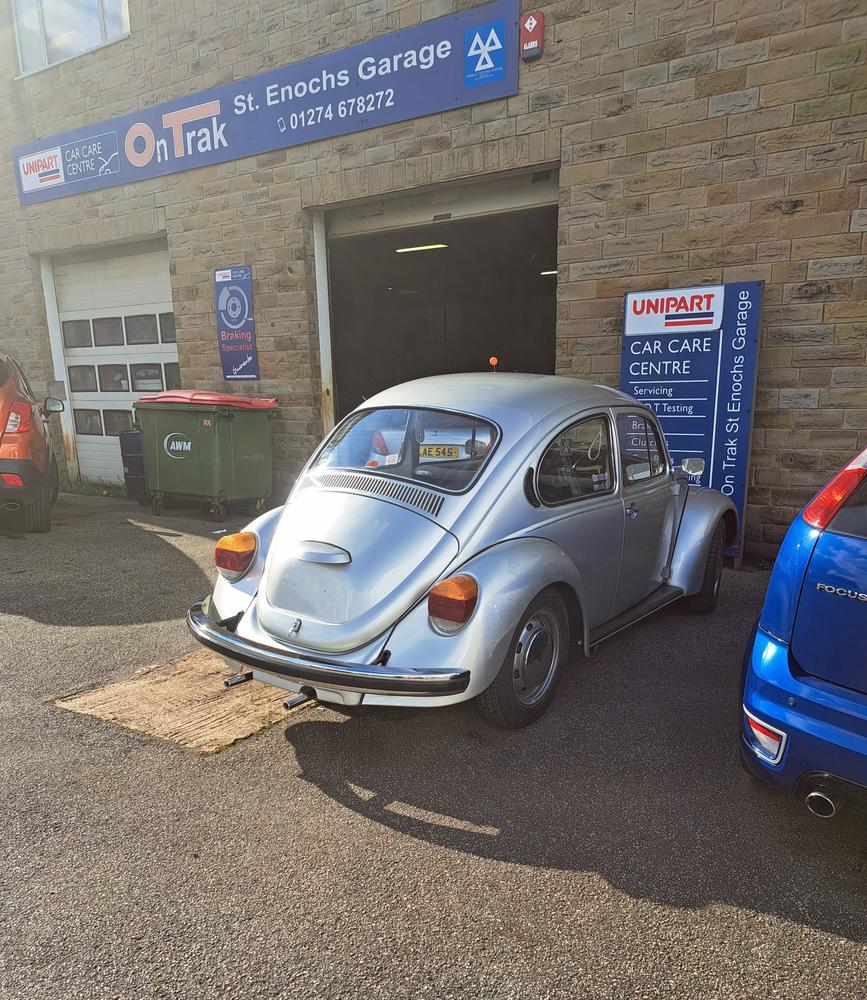
With two thirds of the car needing to be painted anyway, Robert made the wise decision to have the whole thing resprayed.
July 2025: Heading home
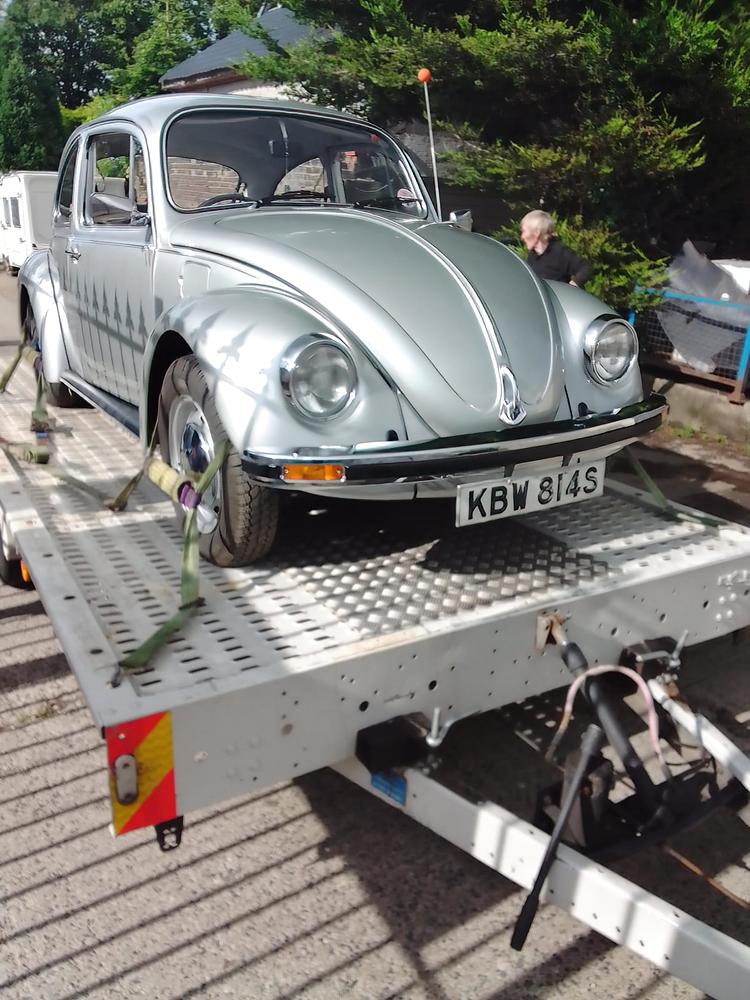
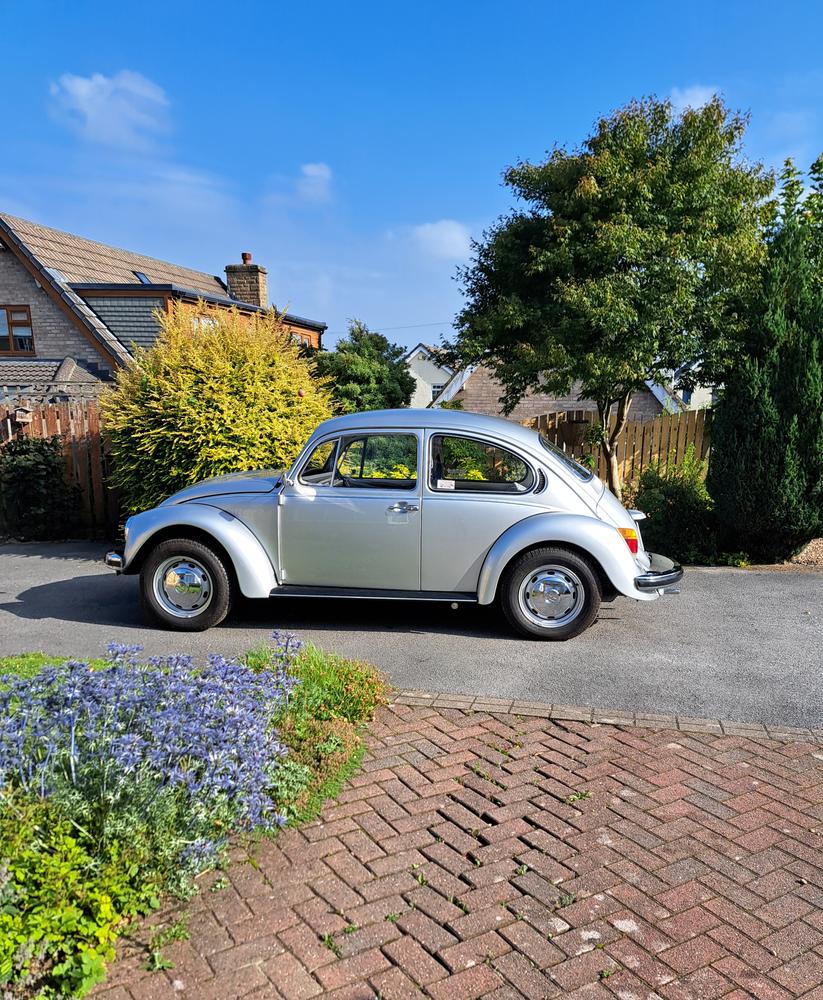
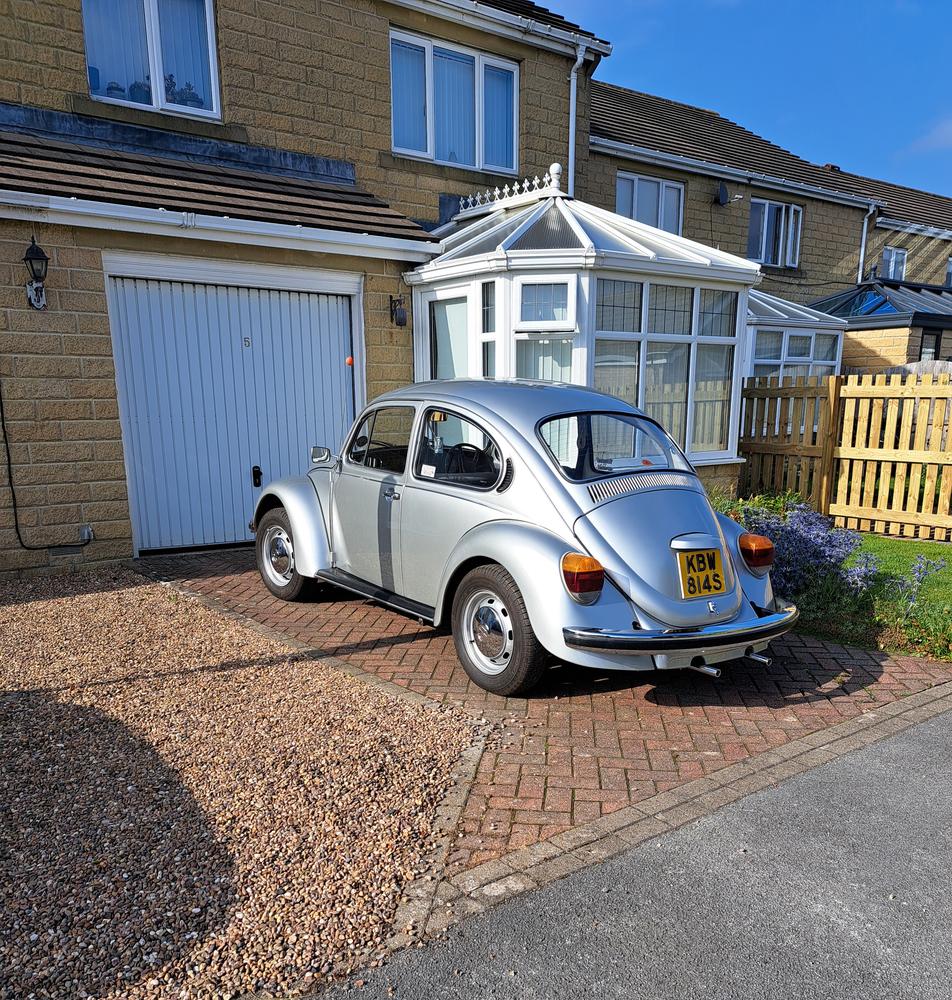
July 2025: Safely home
LEB number 115 now looks genuinely good as new. It's a happy conclusion to a fraught few months. Hurray!
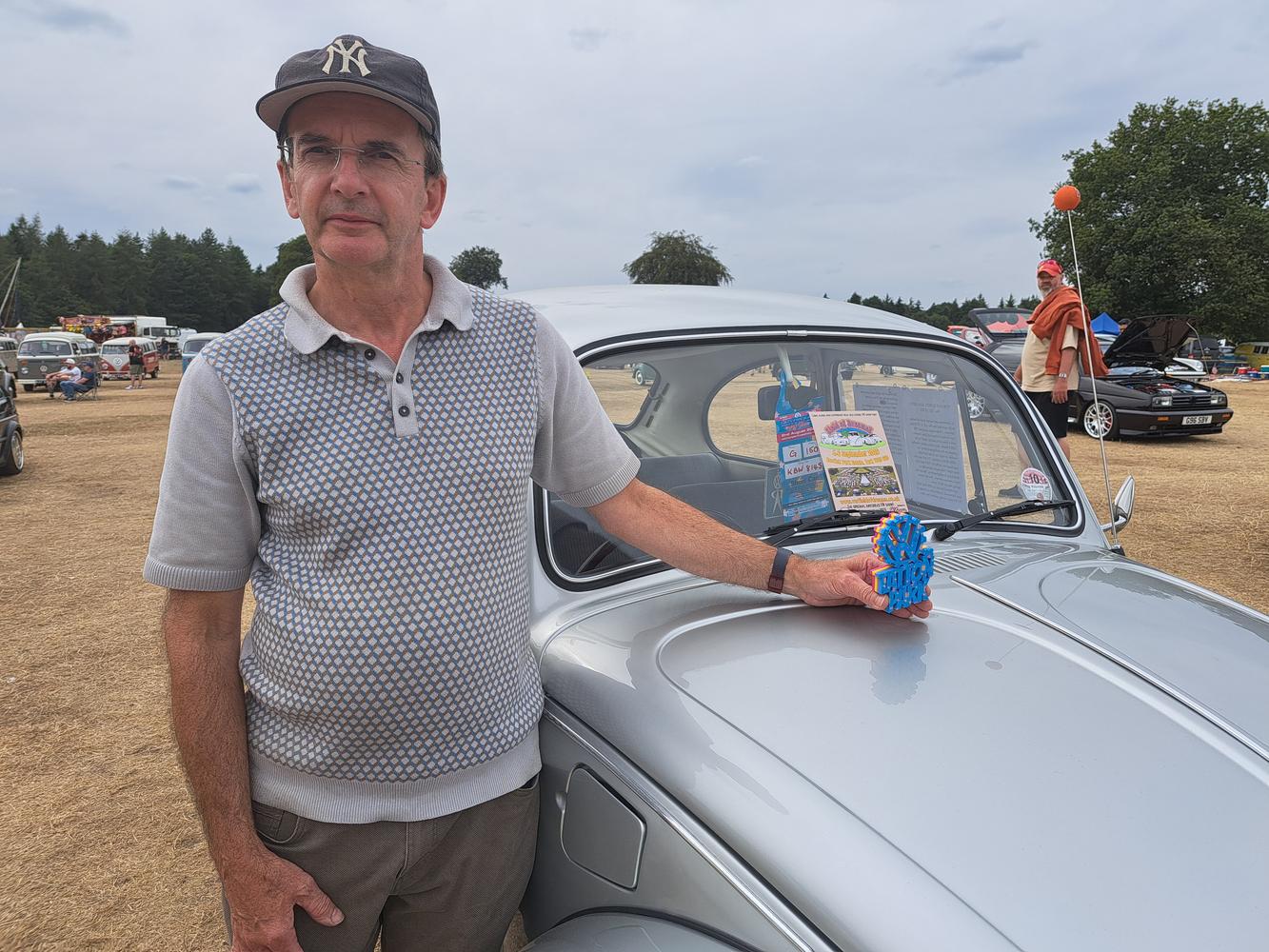
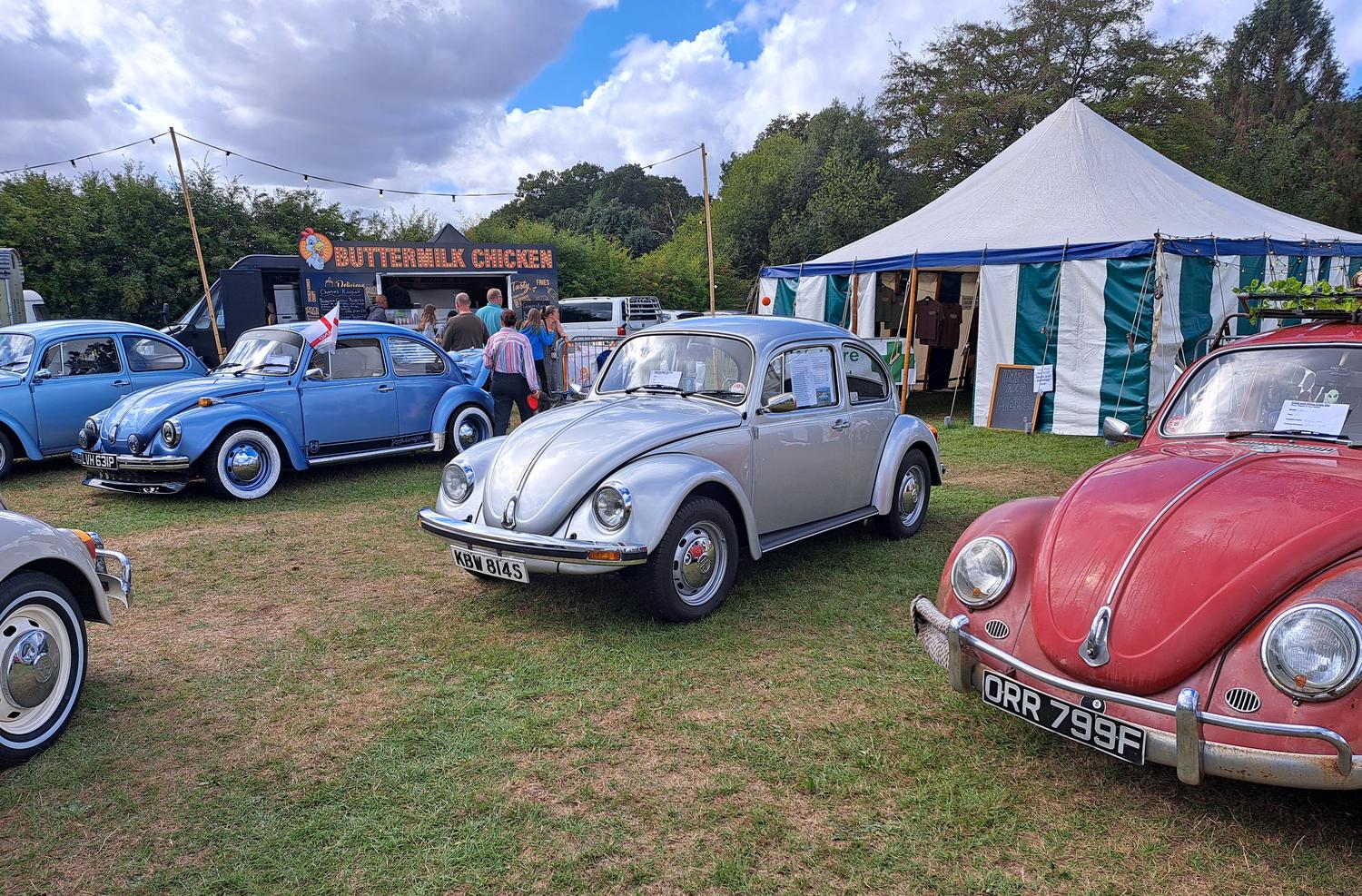
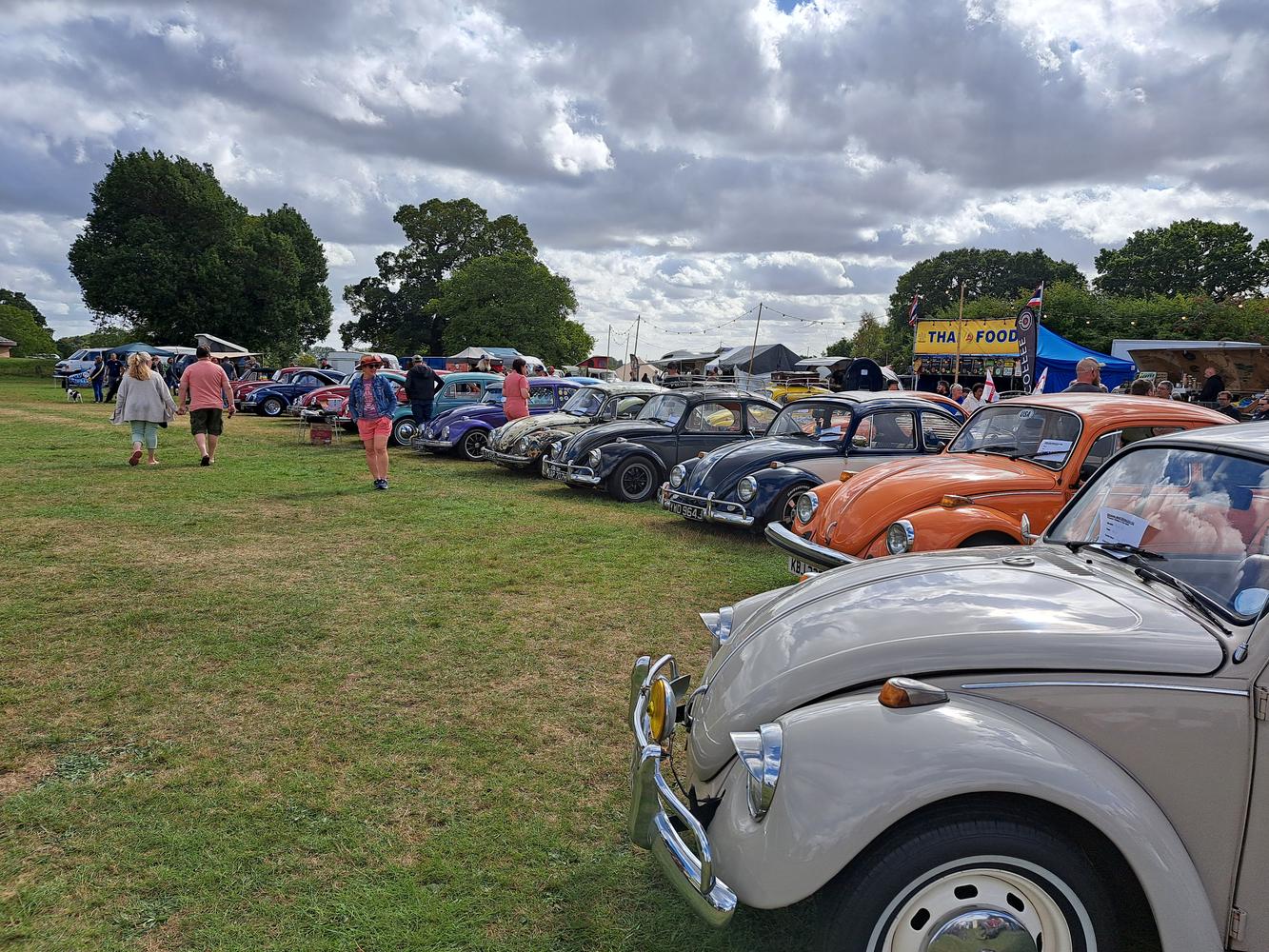
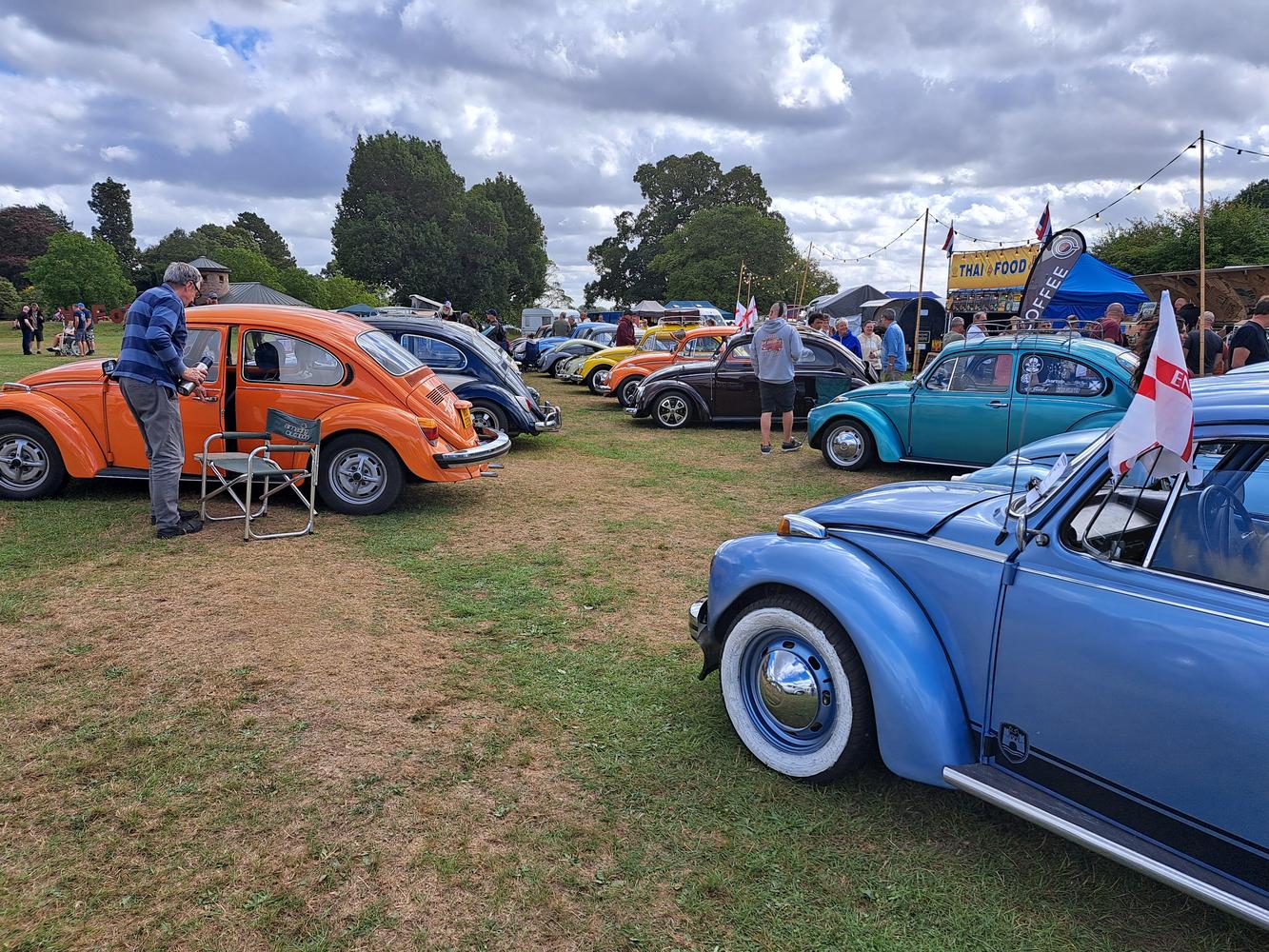
August 2025: Dreams VW Show, Escrick
December 2026: Update from Robert
Betty has had a new clutch fitted as there was a vibration through the clutch pedal. Turns out the clutch return spring was broken and the release bearing partly seized. No wonder gear changing was a challenge at times!
July 2026
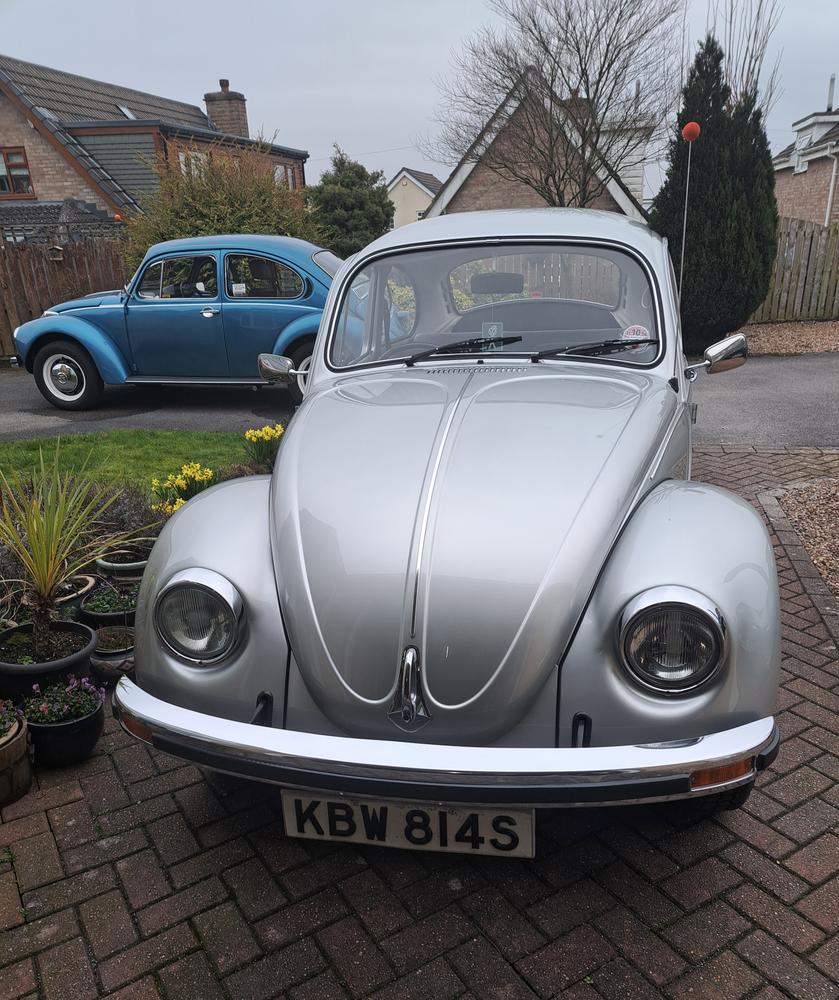
August 2026: Tatton Park